
The world is awash in data – and increasingly, in reports. Businesses, governments, and organizations are relying on state reports to understand trends, assess performance, and inform decision-making. A well-structured state report template provides a consistent framework for collecting, analyzing, and presenting this information, ensuring clarity and impact. This article will delve into the essential components of a robust state report template, exploring its purpose, key elements, and best practices for effective utilization. State Report Template is more than just a document; it's a strategic tool for transparency and accountability. It's a vital component of modern governance and a powerful means of communicating complex data to a wider audience. Understanding how to create and utilize a state report template can significantly improve your ability to understand and respond to the needs of your stakeholders.
What is a State Report Template?
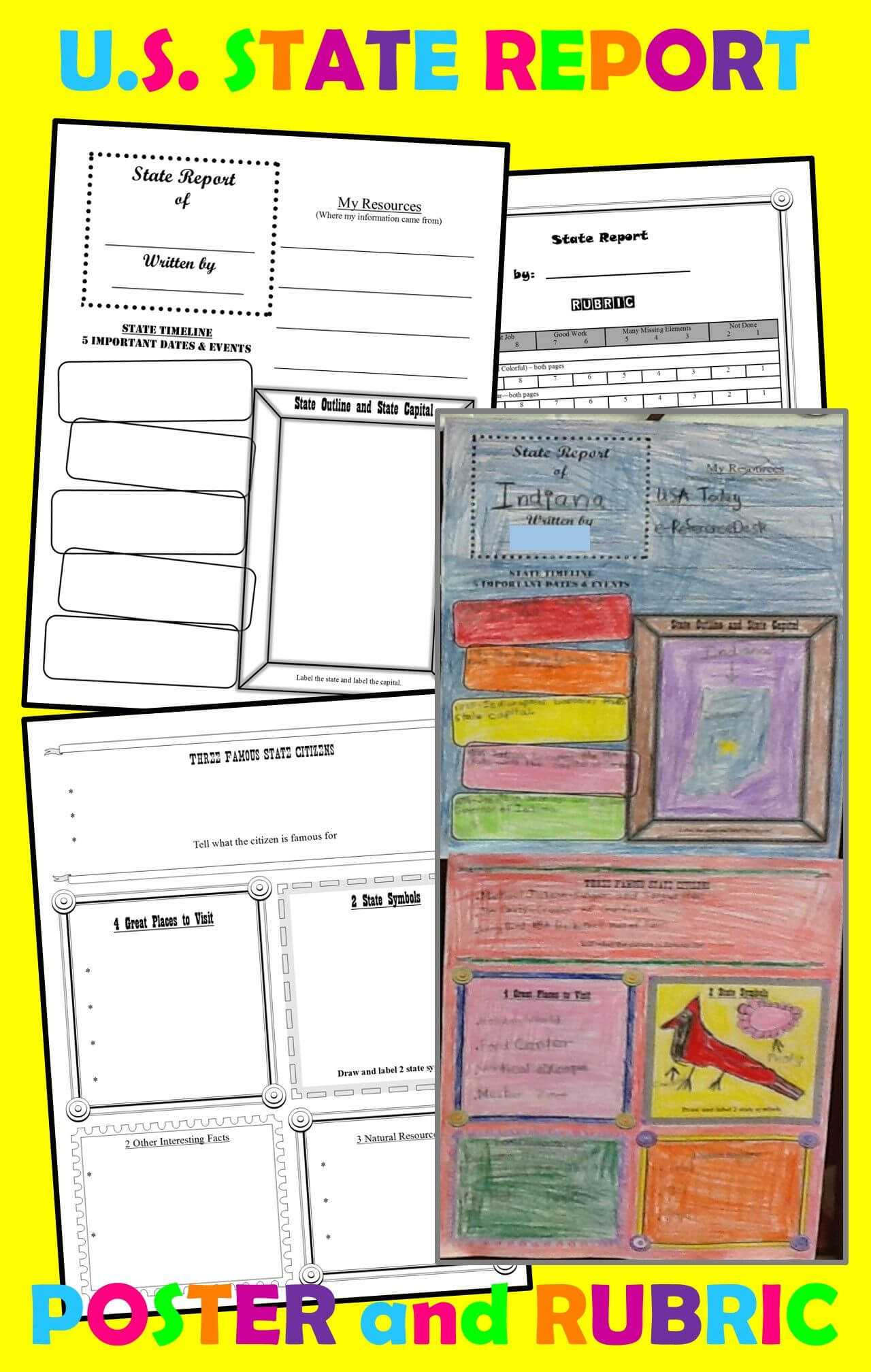
A state report template is a standardized structure designed to systematically collect, organize, and present data related to a specific state, region, or organization. It's not a one-size-fits-all solution; rather, it's a flexible framework that can be tailored to the unique needs of the recipient. The primary goal is to provide a clear, concise, and easily digestible overview of key performance indicators (KPIs), trends, and challenges. Think of it as a blueprint for reporting – a guide that ensures consistent data collection and analysis. Effective use of a state report template streamlines the reporting process, reduces errors, and ultimately, improves the quality of the information presented. It's a critical investment for any organization seeking to demonstrate its commitment to transparency and data-driven decision-making.

The Core Components of a State Report Template
A typical state report template includes several key sections. Each section is designed to address a specific aspect of the data being presented. Let's examine some of the most important components:

1. Executive Summary
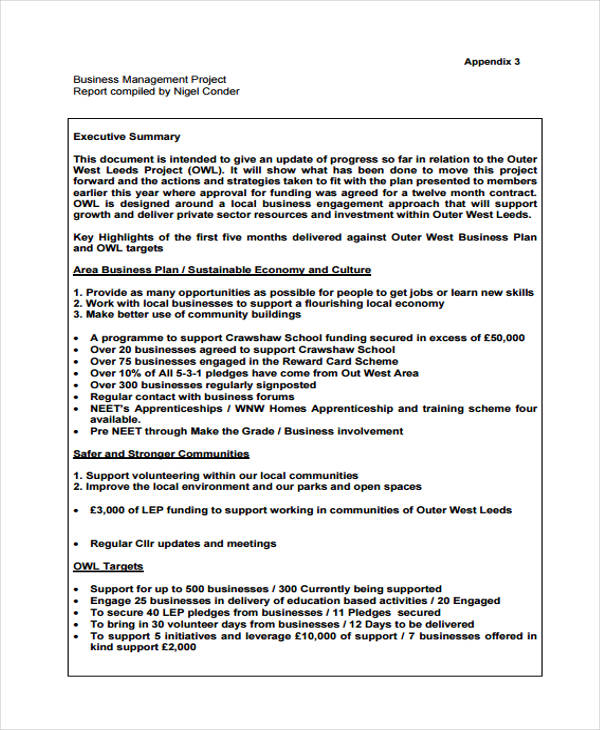
The executive summary is arguably the most crucial section of the report. It provides a high-level overview of the entire report, highlighting the key findings and recommendations. It's typically written last, after all other sections have been completed, and should be concise and easily understandable by non-technical audiences. State Report Template success hinges on a compelling executive summary that immediately grabs the reader's attention and conveys the most important takeaways. It's often the first thing people read, so it needs to be impactful.
2. Introduction & Background
This section provides context for the report. It should clearly define the scope of the state report, the timeframe covered, and the purpose of the analysis. It often includes a brief history of the state or region being examined, highlighting key milestones and trends. Understanding the historical context is vital for interpreting the current data. This section sets the stage for the subsequent analysis.

3. Key Performance Indicators (KPIs)
This section details the specific KPIs that are being tracked. KPIs are measurable values that indicate progress towards goals. Examples include:
- Economic Indicators: GDP growth, unemployment rate, inflation rate.
- Social Indicators: Education levels, poverty rates, healthcare access.
- Environmental Indicators: Air quality, water quality, carbon emissions.
- Infrastructure: Road network, public transportation system, broadband access.
- Public Safety: Crime rates, emergency response times.
Each KPI should be clearly defined, with data sources and measurement methods specified. State Report Template relies on accurate and reliable data to effectively track and report on these KPIs.
4. Data Analysis & Trends
This section presents the data analysis, often using charts, graphs, and tables to illustrate trends and patterns. It's important to avoid simply presenting raw data; instead, focus on interpreting the data and drawing meaningful conclusions. Look for correlations and anomalies. Are there any significant shifts in trends over time? Are there any areas where performance is lagging?
5. Challenges & Opportunities
This section identifies the challenges facing the state or region and explores potential opportunities for improvement. It's a critical component for demonstrating proactive problem-solving and strategic planning. It acknowledges obstacles and suggests potential solutions. State Report Template should include a section dedicated to identifying and analyzing potential risks and opportunities.
6. Recommendations
Based on the analysis, the report should include specific, actionable recommendations for improving performance. These recommendations should be prioritized and clearly linked to the identified challenges and opportunities. They should be realistic and achievable.
7. Appendices
This section includes supplementary materials such as raw data, detailed methodology, and supporting documentation.
Best Practices for Using a State Report Template
Creating a truly effective state report template requires careful planning and attention to detail. Here are some best practices:
- Start with Clear Objectives: Define the purpose of the report before you begin collecting data. What questions are you trying to answer?
- Choose the Right Data Sources: Select reliable and authoritative data sources.
- Ensure Data Accuracy: Verify the accuracy of the data before it is included in the report.
- Use Visualizations Effectively: Charts and graphs can help to communicate complex data more effectively.
- Maintain Consistency: Use consistent terminology and formatting throughout the report.
- Tailor to the Audience: Consider the knowledge and interests of the intended audience when creating the report.
- Regularly Review and Update: State reports should be reviewed and updated regularly to ensure they remain relevant and accurate.
The Importance of Data Integrity
The success of any state report – and indeed, any report – hinges on the integrity of the data. State Report Template implementation requires a commitment to data quality. This includes robust data validation processes, clear data governance policies, and ongoing monitoring of data accuracy. Data errors can undermine the entire report and lead to flawed conclusions.
Conclusion
State report templates are invaluable tools for organizations seeking to understand and respond to the needs of their stakeholders. By providing a structured framework for collecting, analyzing, and presenting data, these templates streamline the reporting process, improve the quality of information, and ultimately, drive better decision-making. A well-designed state report template is not just a document; it's a strategic asset that contributes to transparency, accountability, and ultimately, success. Investing in a robust state report template is an investment in the future of your organization. The continued evolution of data analytics and reporting demands a flexible and adaptable approach, and the state report template remains a cornerstone of that approach.
Conclusion
The state report template is a fundamental tool for effective communication and data-driven decision-making. Its adaptability and clear structure make it a valuable asset for organizations across a wide range of sectors. By understanding its components and following best practices, you can leverage this template to gain a deeper understanding of your state or region and to effectively communicate your findings to a wider audience. Ultimately, a well-crafted state report template empowers organizations to proactively address challenges, capitalize on opportunities, and contribute to positive change.
0 Response to "State Report Template"
Posting Komentar