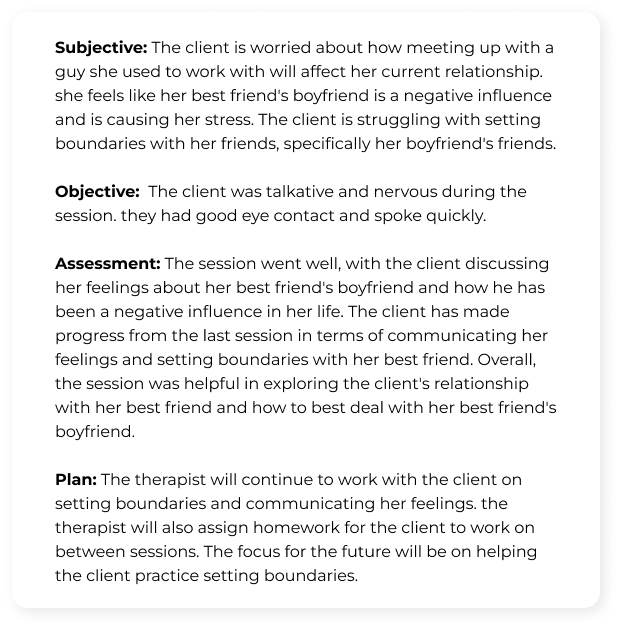
Mental health is a vital component of overall well-being, and often, navigating challenges can feel overwhelming. Stress, anxiety, and difficult emotions can significantly impact our daily lives, affecting our relationships, work, and even our physical health. Fortunately, there are practical tools and techniques that can help us regain control and cultivate a more positive and resilient mindset. One such tool is the use of "Soap Notes Mental Health Template." This isn't a magic cure, but rather a structured approach to identifying, understanding, and addressing the root causes of negative thoughts and feelings. It's a personalized system designed to encourage self-reflection, promote emotional awareness, and ultimately, foster a greater sense of peace and stability. This template provides a framework for systematically examining your mental state, identifying triggers, and developing strategies for coping with difficult emotions. It's about taking a proactive, rather than reactive, approach to your mental health. Soap Notes Mental Health Template is a valuable resource for anyone seeking to improve their emotional well-being. Let's explore how it works and how you can integrate it into your daily life.
The concept behind the "Soap Notes Mental Health Template" stems from the idea that our thoughts, feelings, and behaviors are interconnected. It's not enough to simply acknowledge that you're feeling anxious; you need to understand why you're feeling that way. This template encourages a detailed and honest examination of these factors, moving beyond surface-level reactions to uncover the underlying issues. It's a process of self-discovery, and the more consistently you use it, the more effective it becomes. It's a commitment to prioritizing your mental health, rather than viewing it as a luxury. The beauty of this template is its adaptability; you can tailor it to fit your individual needs and preferences.

Understanding Your Emotional Landscape
The first step in utilizing the "Soap Notes Mental Health Template" is to begin with a thorough assessment of your emotional state. This isn't about judging yourself; it's about observing your feelings objectively. Here's a breakdown of key areas to consider:
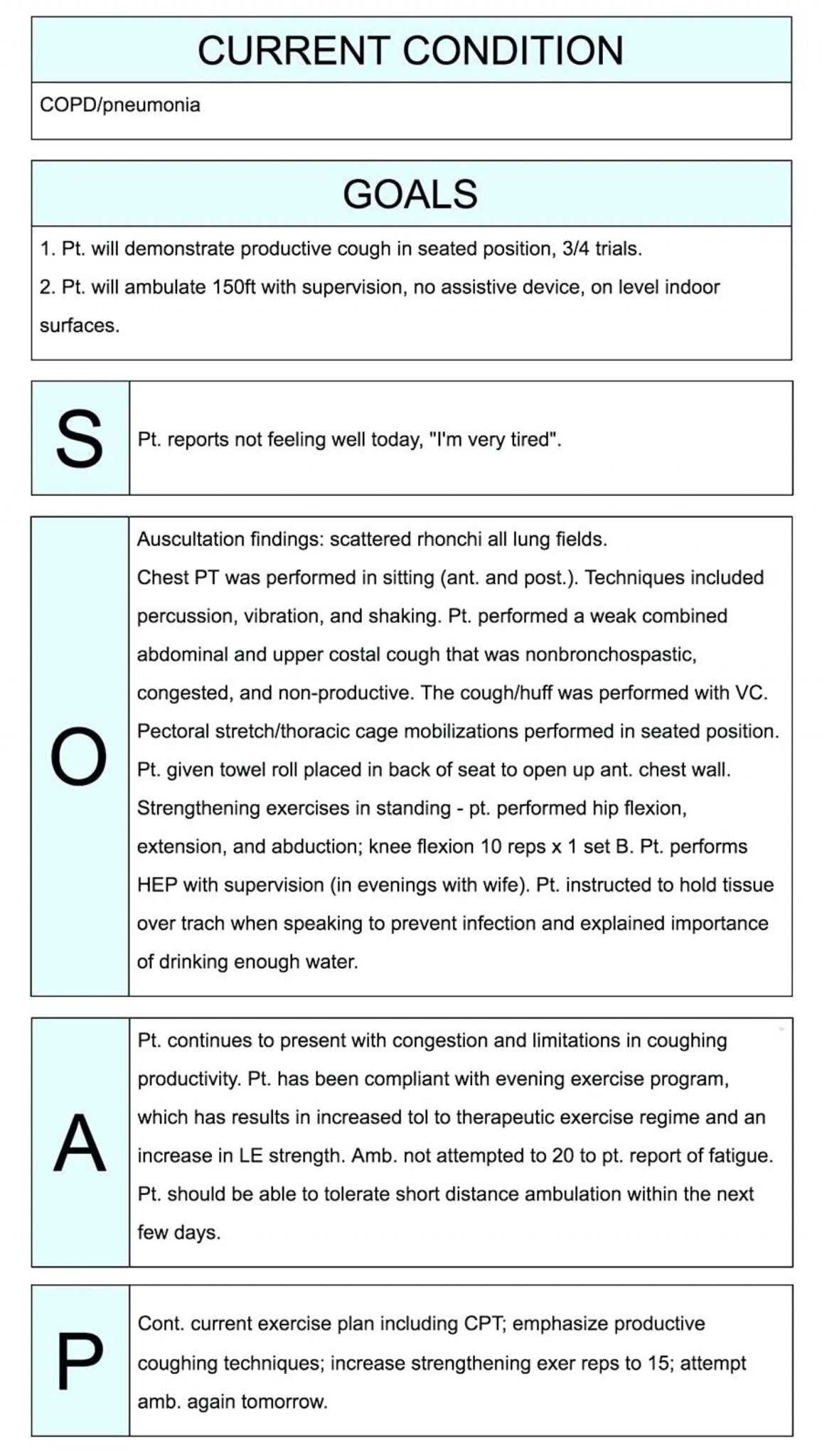
- Identify Your Emotions: Start by listing all the emotions you're experiencing. Don't censor yourself – acknowledge even seemingly insignificant feelings. Common emotions include sadness, anger, fear, anxiety, frustration, shame, guilt, and joy. Be specific – instead of just saying "bad," try to pinpoint the specific emotion (e.g., "disappointment," "irritation," "helplessness").
- Note Triggers: What events, situations, or thoughts seem to precede these emotions? Keep a journal for a week or two, noting down anything that seems to trigger a particular feeling. This could be a specific conversation, a stressful news story, a frustrating task, or even a particular time of day. Be as detailed as possible.
- Analyze Your Thoughts: This is where the "Soap Notes" part comes in. What thoughts are associated with each emotion? Are you engaging in negative self-talk? Are you catastrophizing (imagining the worst possible outcome)? Are you blaming yourself or others? Write down these thoughts as they arise, without judgment. This is crucial for identifying patterns.
- Assess Your Physical Sensations: Often, our emotions manifest physically. Do you experience a racing heart, tense muscles, stomach upset, headaches, or fatigue? Note these physical sensations alongside your emotional state. They can provide valuable clues about the intensity of your feelings.
The Core Components of the Template
The "Soap Notes Mental Health Template" is structured around several key sections. Each section focuses on a specific aspect of emotional understanding.
Section 1: Initial Reflection – The "Why"
This section is dedicated to exploring the root causes of your emotions. It's about understanding why you're feeling a certain way.
- Situation: Briefly describe the event or situation that triggered the emotion.
- Thoughts: What thoughts were going through your mind at the time? Be specific.
- Emotions: List all the emotions you experienced.
- Physical Sensations: Note any physical sensations you experienced.
- Values: What values were being challenged or violated during this situation? Understanding your values can provide a deeper perspective on your emotional response.
Section 2: Pattern Recognition – Identifying Recurring Themes
This section helps you identify patterns in your emotional responses. It's about uncovering recurring themes and triggers.
- Frequency: How often do you experience similar emotions in similar situations?
- Intensity: On a scale of 1 to 10, how intense are your emotions?
- Duration: How long do you typically experience these emotions?
- Recurring Thoughts: Are there specific thoughts that consistently surface when you experience these emotions?
- Associated Behaviors: What behaviors do you typically engage in when you're feeling this way? (e.g., withdrawing, overeating, withdrawing from social interaction).
Section 3: Self-Compassion – Recognizing Your Humanity
This section is about cultivating self-compassion and reducing self-criticism. It's about treating yourself with the same kindness and understanding you would offer a friend.
- Self-Talk: What are you saying to yourself? Are you being overly critical or judgmental?
- Negative Self-Talk: Identify any negative self-talk you're experiencing.
- Self-Compassion Statements: Write down a few positive and encouraging statements that you can repeat to yourself when you're struggling. (e.g., "This is a difficult moment, and it's okay to feel this way," "I am worthy of love and kindness," "I am doing the best I can.")
Section 4: Action Planning – Strategies for Coping
This section focuses on developing practical strategies for managing your emotions and improving your well-being.
- Problem-Solving: What specific steps can you take to address the underlying issue that triggered the emotion?
- Relaxation Techniques: What relaxation techniques (e.g., deep breathing, meditation, progressive muscle relaxation) do you find helpful?
- Social Support: Who can you reach out to for support? (e.g., friends, family, therapist)
- Self-Care: What self-care activities do you enjoy and can realistically incorporate into your routine?
The Importance of Consistency and Self-Awareness
The "Soap Notes Mental Health Template" is not a quick fix. It's a process of ongoing self-reflection and growth. The key to its effectiveness is consistency. Regularly use the template, even when you're not experiencing intense emotions. The more you engage with it, the more you'll develop a deeper understanding of yourself and your emotional landscape. It's about cultivating self-awareness – the ability to recognize and understand your own thoughts, feelings, and behaviors. This is a fundamental skill for navigating life's challenges and fostering a sense of inner peace. Remember, seeking professional help is a sign of strength, not weakness. If you're struggling with persistent or overwhelming emotions, don't hesitate to reach out to a therapist or counselor.
Conclusion
The "Soap Notes Mental Health Template" is a powerful tool for promoting emotional well-being. By systematically examining your thoughts, feelings, and behaviors, you can gain valuable insights into the root causes of your challenges and develop effective coping strategies. It's a personalized system that adapts to your individual needs and preferences. It's a commitment to prioritizing your mental health and cultivating a more resilient and fulfilling life. Ultimately, the goal is not to eliminate difficult emotions, but to learn to manage them effectively and to live a life filled with greater peace and joy. The consistent application of this template, combined with self-compassion and a willingness to seek support when needed, can significantly improve your overall mental health. Soap Notes Mental Health Template is an investment in yourself, a proactive step towards a happier and healthier you.
Conclusion
The "Soap Notes Mental Health Template" provides a structured and adaptable framework for understanding and addressing emotional challenges. By systematically examining your thoughts, feelings, and triggers, you can gain valuable insights into the root causes of your difficulties and develop effective coping strategies. The consistent use of this template, coupled with self-compassion and a commitment to seeking support when needed, can significantly improve your overall mental well-being. It's a journey of self-discovery, and the rewards are well worth the effort. Remember, prioritizing your mental health is not selfish; it's essential for living a full and meaningful life. The template empowers you to take control of your emotional landscape, fostering resilience and promoting a greater sense of peace and stability. Continuous reflection and adjustment are key to maximizing its benefits.
0 Response to "Soap Notes Mental Health Template"
Posting Komentar