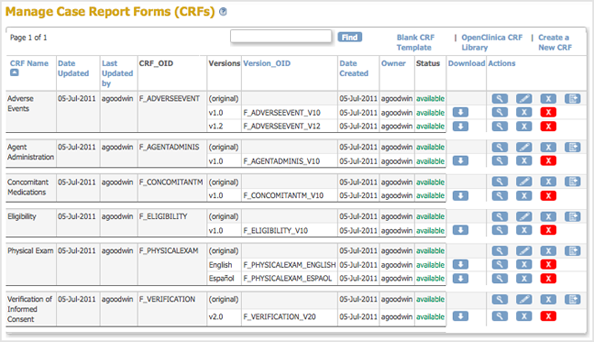
The pharmaceutical and biotechnology industries are increasingly reliant on robust and standardized data collection and reporting. Accurate and complete case reports are fundamental to ensuring the integrity of clinical trials, facilitating informed decision-making, and ultimately, advancing medical research and patient care. A well-structured case report form template is therefore a critical component of this process. This article will delve into the importance of these templates, exploring their key features, benefits, and practical considerations for researchers, clinicians, and regulatory bodies. The core focus will be on understanding how to effectively utilize a case report form template to streamline data management and enhance the overall quality of clinical trial reporting. Case Report Form Template Clinical Trials is more than just a document; it's a tool for transparency, accountability, and ultimately, improved patient outcomes.
The evolution of clinical trial reporting has dramatically increased in complexity over the past few decades. Traditional methods often resulted in fragmented data, inconsistent formatting, and difficulties in comparing results across different trials. This led to challenges in data analysis, increased costs, and a greater risk of errors. Modern case report templates provide a standardized framework, reducing these challenges and promoting greater efficiency. They offer a structured approach to documenting trial data, ensuring consistency and facilitating a holistic view of the research process. The adoption of these templates is driven by a growing need for regulatory compliance and a desire to demonstrate the rigor and reliability of clinical trial results. Furthermore, the trend towards electronic data capture (EDC) necessitates the use of standardized templates to ensure data integrity and interoperability.
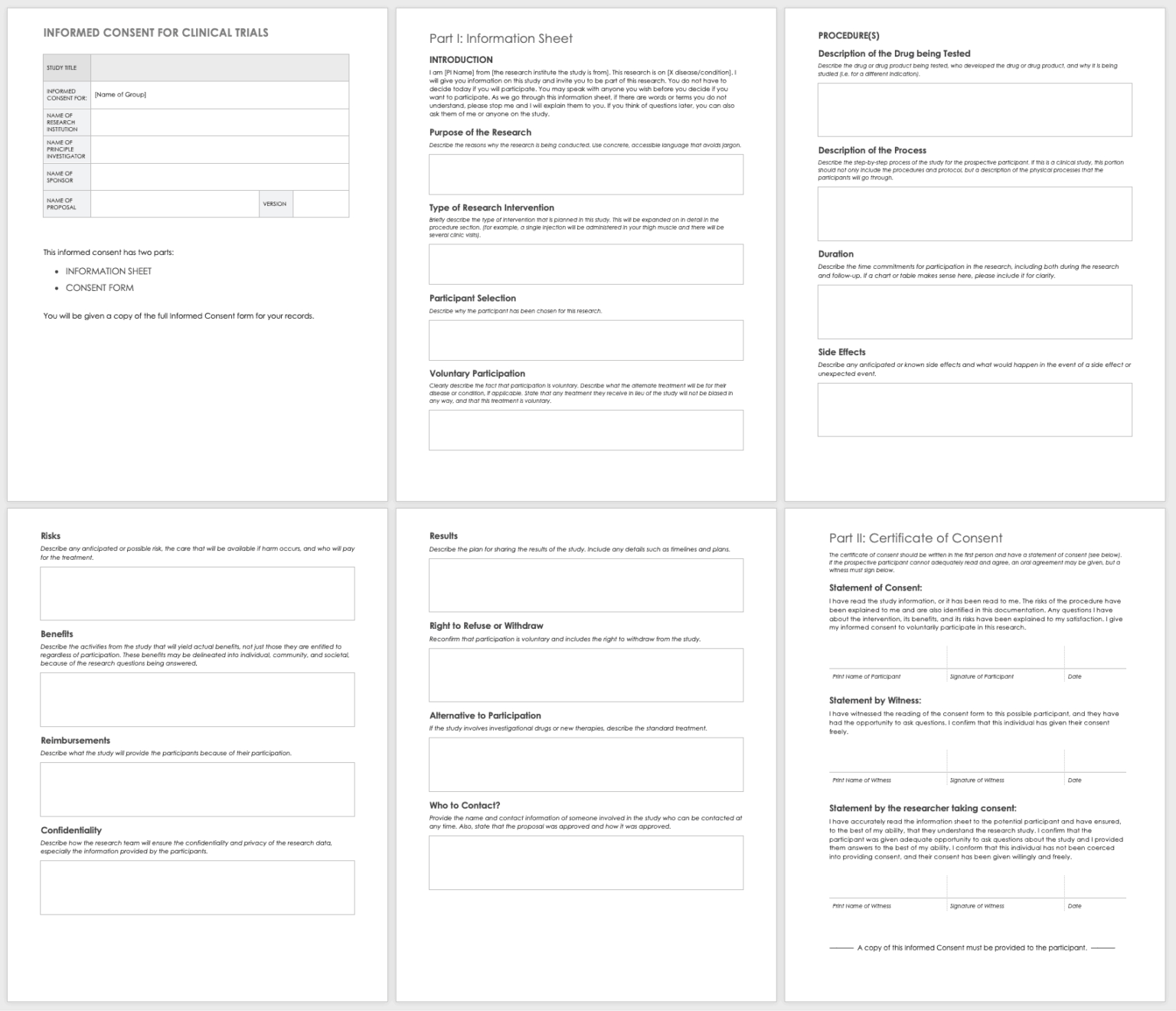
Understanding the Importance of Case Report Form Templates
Before diving into the specifics of template design, it's crucial to understand why these templates are so vital. They address several key challenges:
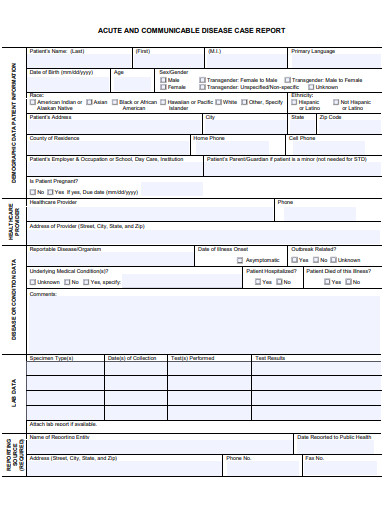
- Data Standardization: Templates enforce consistent data entry practices, minimizing errors and inconsistencies.
- Improved Data Quality: A structured format encourages thorough data collection and reduces the potential for subjective interpretation.
- Regulatory Compliance: Many regulatory agencies (e.g., FDA, EMA) require specific templates for reporting clinical trial data. Compliance with these requirements is paramount.
- Streamlined Reporting: Templates simplify the reporting process, reducing the time and effort required to produce comprehensive reports.
- Enhanced Collaboration: Standardized templates facilitate collaboration among researchers, clinicians, and regulatory specialists.
Key Features of a Robust Case Report Form Template
A truly effective case report form template goes beyond simply collecting data. It incorporates features designed to enhance data quality, streamline reporting, and facilitate analysis. Here are some essential elements:
- Standardized Sections: Templates typically include standardized sections for key data points, such as patient demographics, inclusion/exclusion criteria, treatment details, adverse events, and outcome measures.
- Data Validation: Many templates include built-in validation rules to ensure data accuracy and completeness. This might include range checks, format validation, and mandatory field checks.
- Clear and Concise Language: The template is written in plain language, avoiding jargon and technical terms that may not be familiar to all readers.
- Logical Flow: The structure of the template is designed to guide the data collection process logically, minimizing the need for researchers to manually re-enter information.
- Attachment Capabilities: Templates often allow for the attachment of relevant documents, such as consent forms, medical records, and study protocols.
- Data Visualization Tools: Some advanced templates incorporate data visualization tools, allowing researchers to easily create charts and graphs to represent their findings.
Template Examples: A Closer Look
Let's examine a few specific sections and how they might be implemented within a template:
Patient Demographics
This section typically includes:
- Patient ID: A unique identifier for each patient.
- Age: Patient's age at enrollment.
- Gender: Patient's gender.
- Ethnicity: Patient's ethnicity.
- Medical History: A brief summary of the patient's relevant medical history.
Inclusion/Exclusion Criteria
This section outlines the criteria used to determine eligibility for the clinical trial. It might include:
- Disease Stage: The stage of the disease being studied.
- Severity of Illness: The severity of the patient's condition.
- Co-morbidities: Other medical conditions that may affect the patient's response to treatment.
Treatment Details
This is a critical section where the specific treatment protocol is documented. It might include:
- Drug Name: The name of the medication being administered.
- Dosage: The amount of medication administered.
- Route of Administration: How the medication is administered (e.g., oral, intravenous).
- Frequency: How often the medication is administered.
- Duration: The length of time the medication is administered.
Adverse Events
This section details any adverse events that the patient experienced during the study. It might include:
- Date of Event: The date the adverse event occurred.
- Description of Event: A detailed description of the adverse event.
- Severity: The severity of the adverse event (e.g., mild, moderate, severe).
- Treatment: The treatment given to manage the adverse event.
Outcome Measures
This section outlines the primary and secondary outcome measures used to assess the effectiveness of the treatment. Examples include:
- Primary Outcome: The main outcome measure being assessed.
- Secondary Outcomes: Additional outcome measures that are assessed to provide a more comprehensive assessment of treatment effectiveness.
Benefits of Utilizing a Case Report Form Template
Implementing a well-designed case report template yields numerous advantages:
- Reduced Errors: Standardized data entry minimizes human error.
- Improved Data Quality: Consistent data collection leads to more reliable data.
- Increased Efficiency: Streamlined reporting processes save time and resources.
- Enhanced Collaboration: Standardized templates facilitate communication and collaboration among researchers.
- Streamlined Regulatory Compliance: Templates ensure compliance with regulatory requirements.
- Better Data Analysis: Standardized data facilitates more robust and reliable data analysis.
Challenges and Considerations When Implementing Templates
While templates offer significant benefits, there are also some challenges to consider:
- Template Design: The template must be carefully designed to be user-friendly and intuitive.
- Training: Researchers and clinicians need to be properly trained on how to use the template effectively.
- Customization: Templates should be adaptable to specific research projects and study designs.
- Data Security: Protecting patient data is paramount. Templates must be designed with security in mind.
- Ongoing Maintenance: Templates need to be regularly reviewed and updated to reflect changes in regulatory requirements and best practices.
The Future of Case Report Form Templates
The trend towards electronic data capture (EDC) is accelerating, and case report templates are becoming increasingly integrated with EDC systems. Future templates will likely incorporate features such as:
- Automated Data Extraction: Automatically extracting data from electronic medical records.
- Interactive Reporting: Allowing researchers to create interactive reports that visualize data.
- Blockchain Integration: Using blockchain technology to enhance data security and traceability.
Conclusion
Case report form templates are an indispensable tool for the pharmaceutical and biotechnology industries. By providing a standardized framework for data collection and reporting, these templates significantly improve data quality, streamline processes, and enhance regulatory compliance. As the industry continues to evolve, the role of case report form templates will only become more critical. Investing in the development and implementation of robust and user-friendly templates is a strategic imperative for organizations seeking to advance medical research and improve patient outcomes. Case Report Form Template Clinical Trials is a foundational element for success in this dynamic field.
0 Response to "Case Report Form Template Clinical Trials"
Posting Komentar