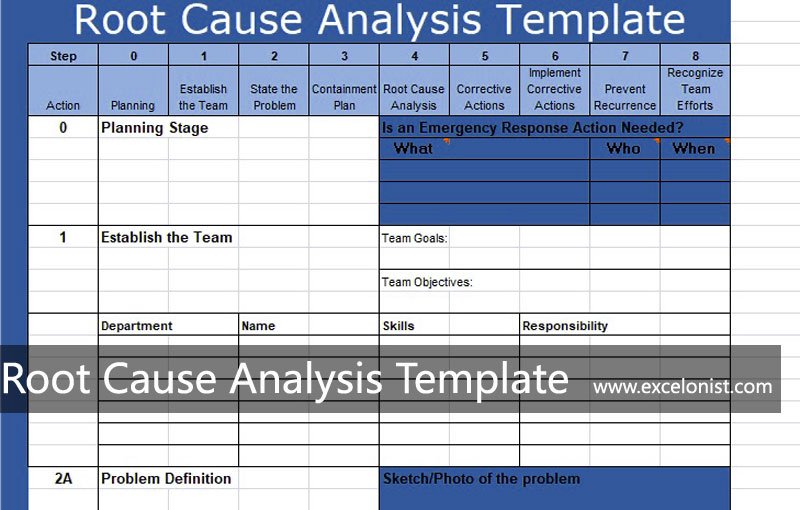
The ability to identify and analyze the underlying causes of problems is fundamental to effective problem-solving and continuous improvement. Businesses of all sizes rely on Root Cause Report Templates to systematically investigate issues, prevent recurrence, and ultimately, enhance operational efficiency. This article will delve into the creation and utilization of a robust Root Cause Report Template, equipping you with the knowledge to effectively document and address challenges. Root Cause Report Template is more than just a document; it's a strategic tool for change management and operational excellence. It's a vital component of a culture of learning and proactive problem-solving. Understanding the principles behind a well-structured template is crucial for anyone seeking to improve processes and reduce negative outcomes. This guide will walk you through the key elements, providing practical examples and best practices.
Understanding the Importance of Root Cause Analysis
Before diving into the specifics of the template, it's essential to grasp why Root Cause Analysis (RCA) is so critical. Simply addressing the symptoms of a problem isn't enough. RCA goes deeper, seeking to uncover the fundamental reasons why things went wrong. This understanding allows you to implement targeted solutions that address the root of the issue, rather than just treating the surface. Without a thorough RCA, you're essentially patching a symptom, not fixing the problem. The benefits are substantial: reduced downtime, improved customer satisfaction, increased profitability, and a more resilient organization. Furthermore, RCA fosters a culture of accountability, encouraging individuals to take ownership of issues and actively contribute to solutions.
The Core Components of a Root Cause Report Template
A comprehensive Root Cause Report Template typically includes several key sections. Each section is designed to gather specific information and facilitate a structured analysis. Here's a breakdown of the essential elements:
1. Problem Definition
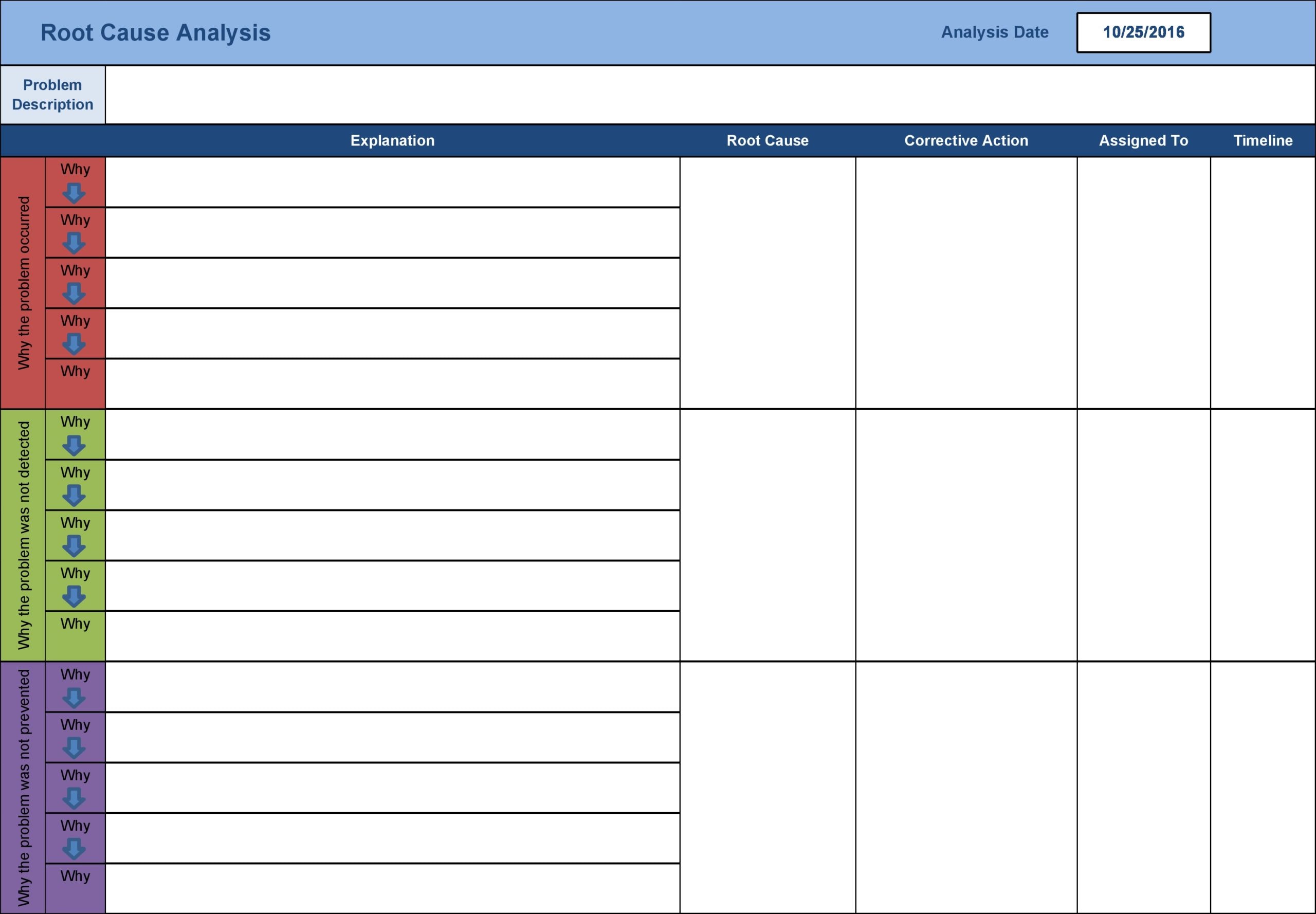
This initial section establishes the context of the issue. It's about clearly articulating what the problem is and why it's significant. A well-defined problem statement provides a solid foundation for the entire RCA process. It's important to avoid vague descriptions and instead focus on quantifiable metrics whenever possible. For example, instead of saying "Sales are down," a more specific statement would be "Sales decreased by 15% in Q3 2023, specifically in the Western region, impacting revenue targets by $50,000." This section often includes data points – numbers, percentages, and timelines – to support the problem's significance.
2. Data Collection & Initial Findings
This section focuses on gathering information related to the problem. It's about collecting facts and observations that support the initial problem definition. This might involve reviewing logs, interviewing stakeholders, analyzing data, and observing processes. It's crucial to maintain a detailed record of all data collected. For example, if a system outage occurred, the data collected would include timestamps, user activity, system performance metrics, and error logs. This initial phase is about establishing a baseline understanding of the situation.
3. Potential Root Causes
This is arguably the most critical section of the template. Here, you systematically brainstorm and list potential causes of the problem. Don't limit yourself to obvious explanations; consider a wide range of possibilities. Using techniques like the "5 Whys" (repeatedly asking "Why?" to drill down to the root cause) can be extremely effective. For instance, if a system outage occurred, potential root causes might include: "Why did the system outage occur?" – "Because the database server crashed." "Why did the database server crash?" – "Because a recent update introduced a bug." "Why did the update introduce a bug?" – "Because the testing process was inadequate." The goal is to identify the underlying factors that contributed to the problem. It's important to note that multiple root causes may exist, and the template should encourage a thorough exploration of all possibilities.
4. Root Cause Analysis – Detailed Investigation
This section delves into the investigation of the identified root causes. It's where you analyze the data and evidence to determine why the root causes were present. This often involves techniques like fishbone diagrams (also known as Ishikawa diagrams) or Pareto charts to visually represent the relationships between causes and effects. The goal is to move beyond simply identifying the causes and to understand how they contributed to the problem. For example, if the database server crash was identified as a root cause, the investigation might reveal that inadequate testing procedures, a lack of monitoring, and insufficient rollback plans were all contributing factors.
5. Corrective Actions & Preventative Measures
This section outlines the specific actions that will be taken to address the root cause and prevent recurrence. It's not enough to simply identify the problem; you need to implement solutions. This includes defining clear action items, assigning responsibility, and setting timelines. For example, if the database server crash was identified as a root cause, corrective actions might include: "Implement a comprehensive testing protocol," "Update the database server's monitoring system," "Develop a robust rollback plan." The preventative measures should be designed to address the underlying issues that contributed to the problem.
6. Lessons Learned & Recommendations
Finally, this section summarizes the key takeaways from the RCA process and provides recommendations for improvement. It's about documenting what was learned and how the organization can move forward. This section should include a clear statement of the root cause and a concise summary of the corrective actions. It's also a valuable opportunity to identify areas for further investigation and to refine the RCA process itself.
Utilizing the Template Effectively
Creating a robust Root Cause Report Template is an investment in your organization's ability to learn and improve. Here are some tips for maximizing its effectiveness:
- Tailor the Template: Adapt the template to your specific industry, processes, and organizational culture.
- Use Visual Aids: Incorporate diagrams, charts, and graphs to help visualize the data and relationships.
- Collaborate: Involve stakeholders from different departments to ensure a comprehensive understanding of the problem.
- Document Thoroughly: Maintain a detailed record of all data, findings, and actions taken.
- Regularly Review and Update: The Root Cause Report Template should be reviewed and updated regularly to ensure it remains relevant and effective.
Conclusion
Root Cause Report Templates are powerful tools for driving continuous improvement and preventing future problems. By systematically investigating the underlying causes of issues, organizations can identify and address the root of the problem, leading to increased efficiency, reduced costs, and improved customer satisfaction. The process of RCA is not a one-time event but an ongoing cycle of learning and adaptation. Embracing a proactive approach to Root Cause Analysis is a critical component of a successful and resilient organization. Ultimately, a well-executed Root Cause Report Template empowers teams to take ownership of their processes and contribute to a culture of continuous improvement.
0 Response to "Root Cause Report Template"
Posting Komentar