
Are you struggling to create professional and consistent labels for your binders? Do you want to ensure your documents are easily identifiable and visually appealing? Then you've come to the right place. This guide will delve into the world of Binder Label Templates, explaining what they are, why they're essential, and how to choose the perfect one for your needs. Binder Label Template is more than just a simple design; it's a strategic tool for organization, efficiency, and brand consistency. Let's explore the benefits and how to implement them effectively.
The demand for well-organized binders is consistently high across various industries, from healthcare and legal to education and retail. Effective labeling is crucial for streamlining workflows, reducing errors, and enhancing the overall user experience. A poorly labeled binder can lead to wasted time and frustration, while a beautifully designed one can significantly boost productivity. Investing in a quality Binder Label Template is an investment in your organization and your clients' satisfaction. This article will provide you with the knowledge and resources you need to confidently select and utilize a Binder Label Template that perfectly suits your requirements.

The core concept behind Binder Label Templates is to provide a standardized and visually appealing way to label documents. They're not just about aesthetics; they're about creating a system that's easy to understand and maintain. Think of it as a visual roadmap for your binders, guiding users to the information they need quickly and efficiently. Different templates cater to various needs, from simple alphabetical labels to more complex, multi-level systems. Choosing the right template is the first step towards achieving a truly organized and productive workspace. Understanding the different types of templates available is key to selecting the most appropriate option.
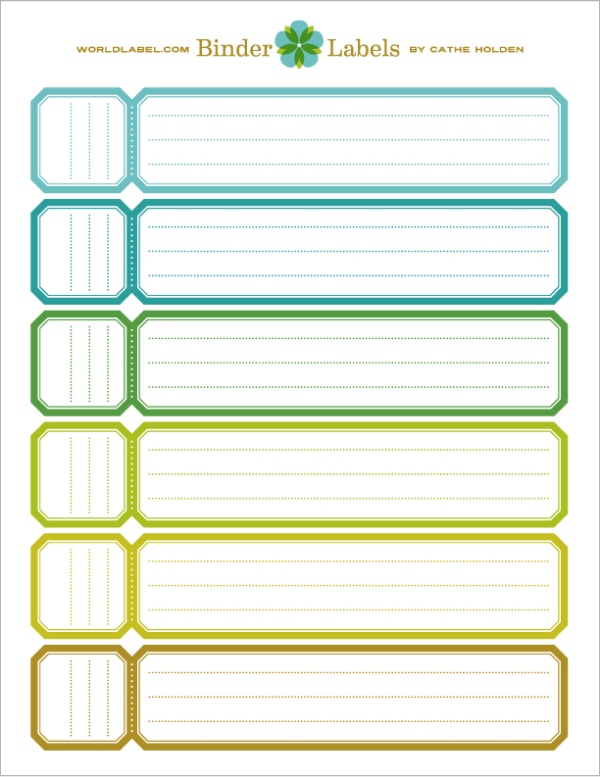
Understanding Different Types of Binder Label Templates
There's a wide variety of Binder Label Template options available, each with its own strengths and weaknesses. Let's break down some of the most popular types:
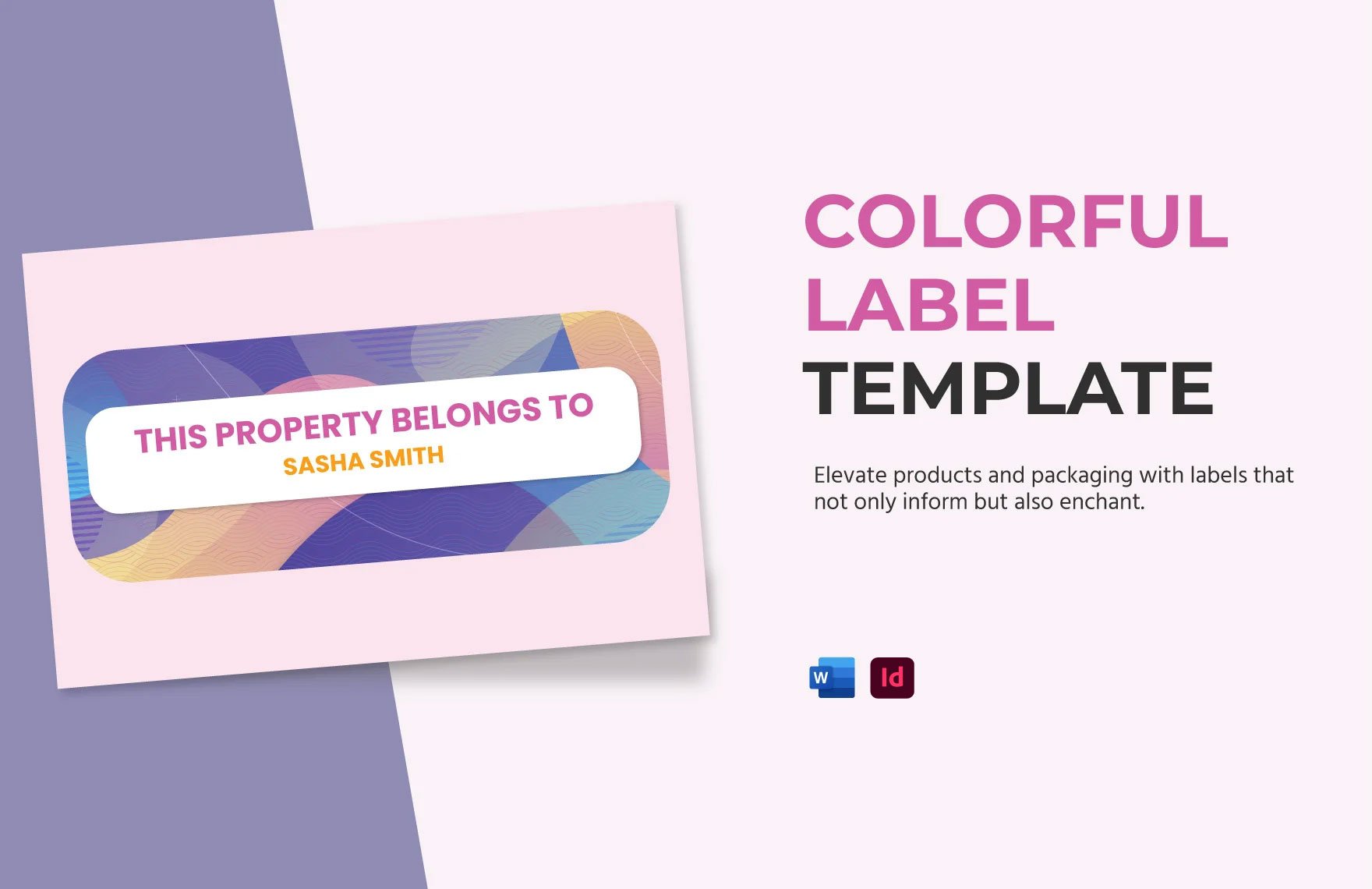
Alphabetical Labeling: This is the most basic and widely used type. It simply labels documents alphabetically by title or subject. It's a great starting point for any binder and is easy to implement. However, it can become cumbersome for large volumes of documents.
Numerical Labeling: This uses numbers to identify documents. It's particularly useful for tracking inventory, managing projects, or organizing information based on sequential numbers. It's a more structured approach than alphabetical labeling.
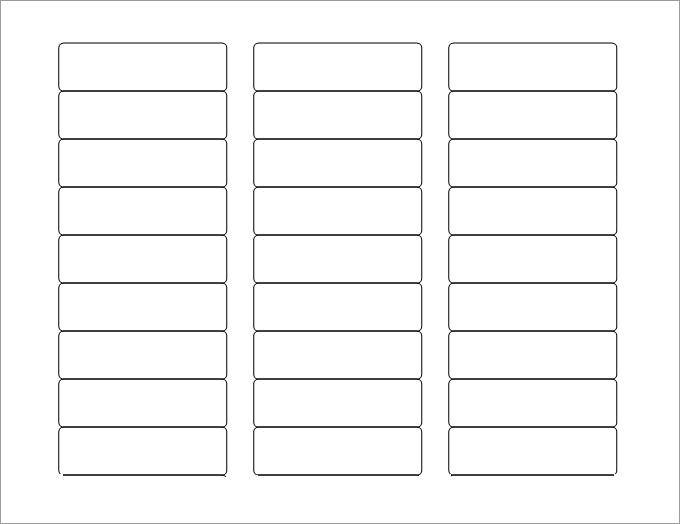
Keyword Labeling: This utilizes keywords to categorize documents. For example, a "Finance" label might include keywords like "Invoice," "Budget," "Expense Report." This is excellent for quickly finding specific documents based on their content.
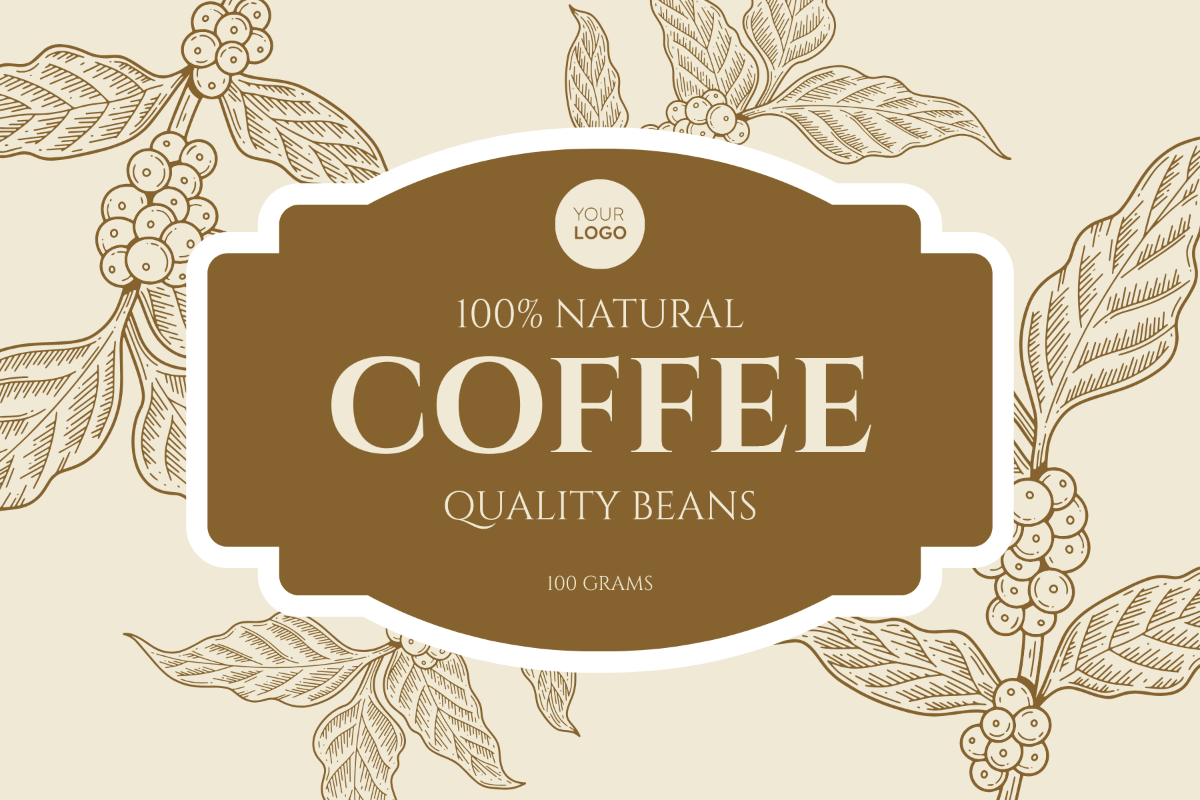
Customizable Templates: Many templates offer a high degree of customization. You can adjust fonts, colors, spacing, and even add custom icons to create a truly unique and branded look. This is ideal for businesses that want to establish a distinct visual identity.
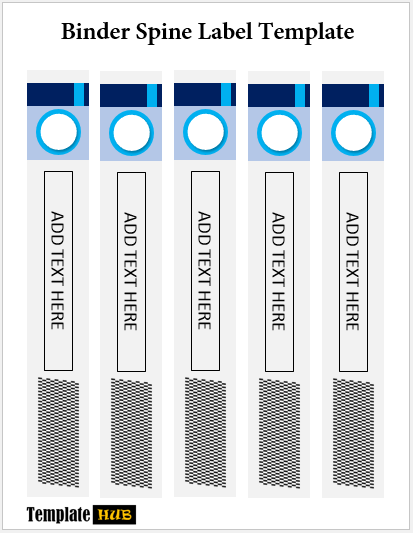
Multi-Level Labeling: These templates allow for multiple levels of labels, creating a hierarchical system for organizing documents. This is beneficial for complex projects or when you need to track documents based on different criteria.

Selecting the Right Binder Label Template for Your Needs
Choosing the right Binder Label Template is a critical decision. Consider the following factors:
Volume of Documents: How many binders will you be creating? A large volume will require a template that can handle a significant number of documents.
Document Types: What types of documents will you be labeling? Different templates are better suited for different document types (e.g., invoices, contracts, reports).
Organization System: What organizational system do you prefer? Alphabetical, numerical, keyword, or a custom system?
Branding: Do you want to incorporate your brand's colors, fonts, and logo into the template?
Ease of Use: How easy is the template to implement and maintain? Consider the level of customization required.
Cost: Templates range in price from free to hundreds of dollars. Factor in the cost of any necessary design elements or customization.
Implementing and Maintaining Your Binder Label Template
Once you've selected a template, it's essential to implement it effectively. Here are some tips:
Start Small: Begin by labeling a small sample of documents to test the template and identify any potential issues.
Consistency is Key: Maintain a consistent labeling system throughout all your binders.
Train Your Team: Ensure that everyone involved in the labeling process is properly trained on the template.
Regularly Review and Update: Periodically review your binder label template to ensure that it's still meeting your needs. Update it as your organization evolves.
Utilize a Labeling System: Consider using a dedicated labeling system, such as a label maker or a spreadsheet, to streamline the process.
The Importance of Clear and Consistent Labeling
The effectiveness of your Binder Label Template hinges on clear and consistent labeling. Ambiguous labels can lead to confusion and wasted time. Ensure that all labels are legible, easy to understand, and accurately reflect the content of the document. A consistent approach will significantly improve the overall efficiency of your organization. Poorly labeled documents can be a major source of frustration for both you and your clients.
Benefits of a Well-Designed Binder Label Template
Investing in a high-quality Binder Label Template offers a multitude of benefits:
Improved Efficiency: Quick and easy access to documents saves time and reduces errors.
Enhanced Organization: A consistent labeling system promotes a more organized workspace.
Increased Productivity: Streamlined workflows lead to increased productivity.
Professional Image: A well-designed binder label template projects a professional image.
Reduced Errors: Clear labels minimize the risk of misinterpretation.
Better Client Satisfaction: Easy access to documents leads to happier clients.
Conclusion: Embracing the Power of Binder Label Templates
Binder Label Templates are a powerful tool for improving organization, efficiency, and professionalism. By carefully selecting and implementing a template that meets your specific needs, you can transform your binders into a valuable asset for your business or organization. Don't underestimate the impact of a well-designed system. The benefits extend far beyond simply labeling documents; they contribute to a more productive and efficient workflow. Binder Label Template is an investment that pays dividends in the long run. As you continue to grow and evolve, a robust binder labeling system will remain a critical component of your operational success. Consider exploring various options and finding the perfect fit for your unique requirements. The key is to prioritize clarity, consistency, and ease of use. Start small, iterate, and continuously refine your system to ensure optimal results.
0 Response to "Binder Label Template"
Posting Komentar