
Door labels are more than just decorative elements; they're crucial for safety, branding, and operational efficiency in commercial and residential settings. Choosing the right door label template can significantly impact a building's appearance, security, and overall user experience. This guide will delve into the world of door label templates, exploring different options, design considerations, and best practices for creating effective and visually appealing labels. Door Label Template is a fundamental element in many building projects, and understanding its various types and applications is essential for anyone involved in design, construction, or property management. From simple, cost-effective options to highly customized designs, there's a perfect template to suit any need. Let's explore the possibilities.
Understanding the Importance of Door Labels
The purpose of a door label is multifaceted. Primarily, it serves as a vital safety feature, alerting occupants to the presence of a door and potentially triggering alarms or emergency procedures. Modern door labels often incorporate features like LED indicators that illuminate when a door is opened, providing an immediate visual cue. Beyond safety, door labels can enhance a building's aesthetic appeal, reflecting the property's style and branding. Furthermore, they can be strategically used to communicate important information, such as building codes, accessibility features, or specific service areas. The effectiveness of a door label hinges on its clarity, durability, and integration with the overall design. A poorly designed label can be confusing and even dangerous, while a well-executed one can significantly improve security and user experience.

Types of Door Label Templates
There's a remarkable diversity of door label templates available, each with its own strengths and weaknesses. Let's examine some of the most popular options:
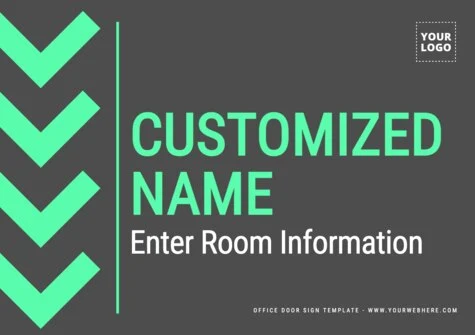
1. Basic LED Door Labels
These are the most common type, utilizing simple LED indicators to signal door opening. They are typically made of durable plastic and are relatively inexpensive. The LED pattern is usually straightforward, often featuring a series of dots or lines that illuminate when the door is opened. They are ideal for residential buildings and smaller commercial spaces where a more sophisticated design isn't required. LED door labels are a practical and cost-effective solution for many applications.

2. Text-Based Door Labels
These labels incorporate clear, concise text, such as the building's name, address, or a brief description of the area. They are often printed on a durable, weatherproof material and can be customized with a company logo or branding elements. While less visually engaging than LED labels, text-based labels are highly informative and can be easily read from a distance. They are particularly useful for conveying essential information to visitors or for marking specific areas within a building.

3. Customizable Graphic Door Labels
For more visually-driven projects, custom graphic door labels offer a significant level of design flexibility. These labels can incorporate a wide range of images, logos, and patterns, allowing for a truly unique and branded look. They can be printed on various materials, including vinyl, acrylic, and even metal. Customizable graphic door labels are a popular choice for businesses and property managers seeking to create a memorable impression.
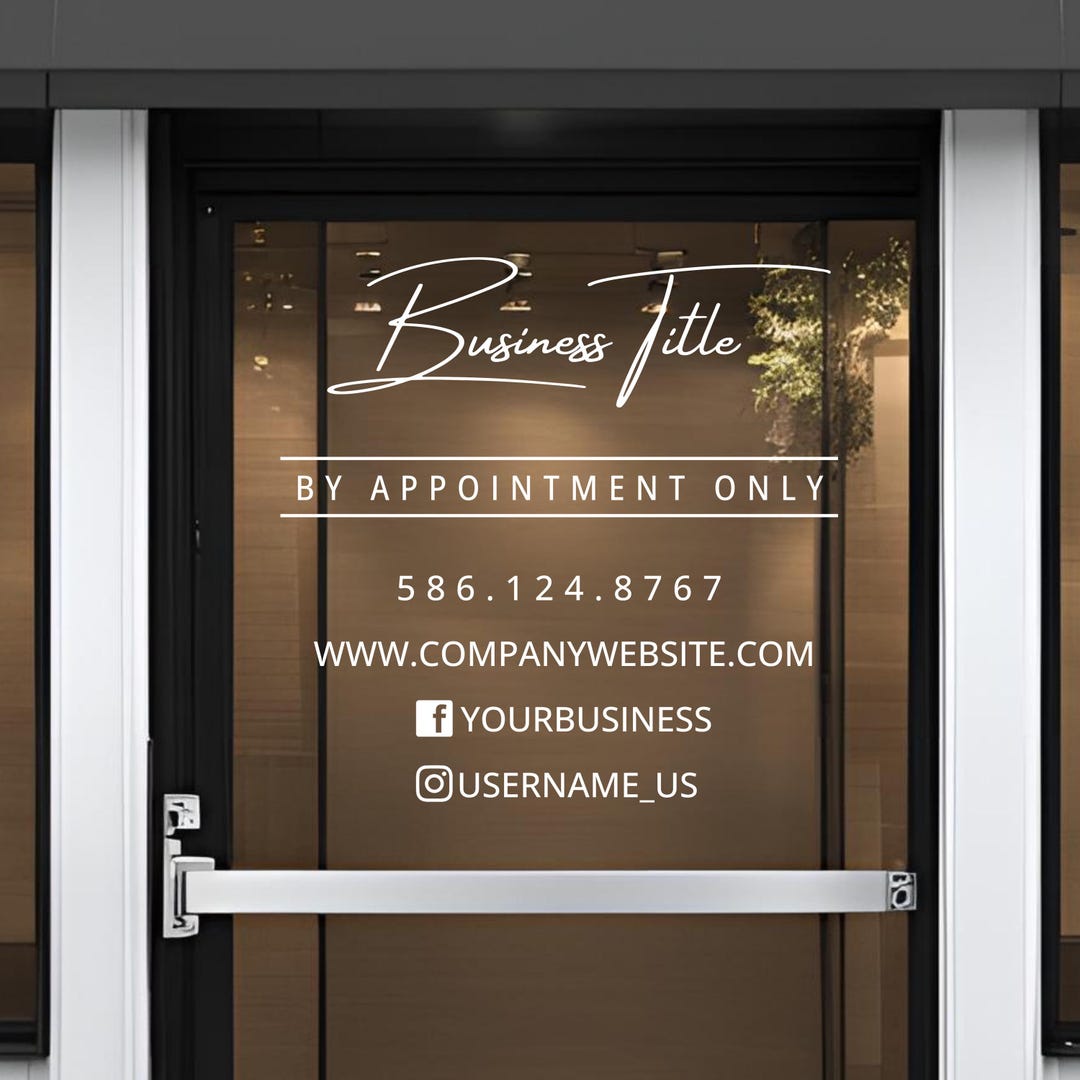
4. Modular Door Label Systems
These systems offer a more scalable and adaptable approach to door labeling. They consist of a series of interlocking panels that can be arranged to create a customized label design. This allows for easy customization and expansion as the building's needs evolve. Modular systems are particularly well-suited for large-scale projects or buildings with multiple doors.

Design Considerations for Door Labels
Beyond the type of template chosen, careful design considerations are paramount to ensuring that door labels are effective and aesthetically pleasing.
- Readability: The text must be easily readable from a distance, even under bright sunlight. Consider the font size, color contrast, and placement of the text.
- Color Contrast: Ensure sufficient contrast between the text and the background color. Dark text on a light background is generally the most effective.
- LED Illumination: If using LED labels, the pattern should be clear and easily discernible. Avoid overly complex or distracting patterns.
- Durability: The label material must be durable and resistant to fading, scratching, and weathering. Consider the environmental conditions in which the label will be used.
- Branding: Incorporate the building's logo or branding elements to reinforce the property's identity.
- Compliance: Ensure that the label complies with all relevant building codes and regulations.
Best Practices for Door Label Implementation
Implementing door labels effectively requires adherence to best practices.
- Placement: Strategically place labels near the door to maximize visibility. Consider the direction of traffic flow and the viewing angle.
- Material Selection: Choose a durable material that can withstand the elements and resist damage.
- Testing: Before finalizing the design, test the label in various lighting conditions to ensure readability.
- Maintenance: Regularly inspect and maintain the labels to ensure they remain clear and functional. Replace damaged labels promptly.
- Accessibility: Consider accessibility requirements when designing and implementing door labels. Ensure that labels are large enough to be easily read by people with visual impairments.
The Role of Technology in Door Label Design
Modern technology is revolutionizing door label design. Digital printing allows for the creation of highly customized and complex labels with vibrant colors and intricate graphics. 3D printing is enabling the creation of modular and scalable label systems. Furthermore, software tools are simplifying the design process and allowing for easy customization. Door Label Template integration with these technologies opens up exciting possibilities for creating innovative and visually appealing solutions.
Conclusion: The Enduring Value of Door Labels
Door labels are far more than just a decorative element; they represent a critical layer of safety, security, and branding in modern building projects. Understanding the various types of door labels, considering design best practices, and leveraging modern technology are essential for creating effective and visually appealing solutions. As building codes and regulations continue to evolve, the importance of well-designed and durable door labels will only continue to grow. By investing in quality door labels, you're investing in the safety, security, and overall success of your property. Door Label Template is a foundational element for any building project, and its strategic implementation can yield significant benefits.
0 Response to "Door Label Template"
Posting Komentar