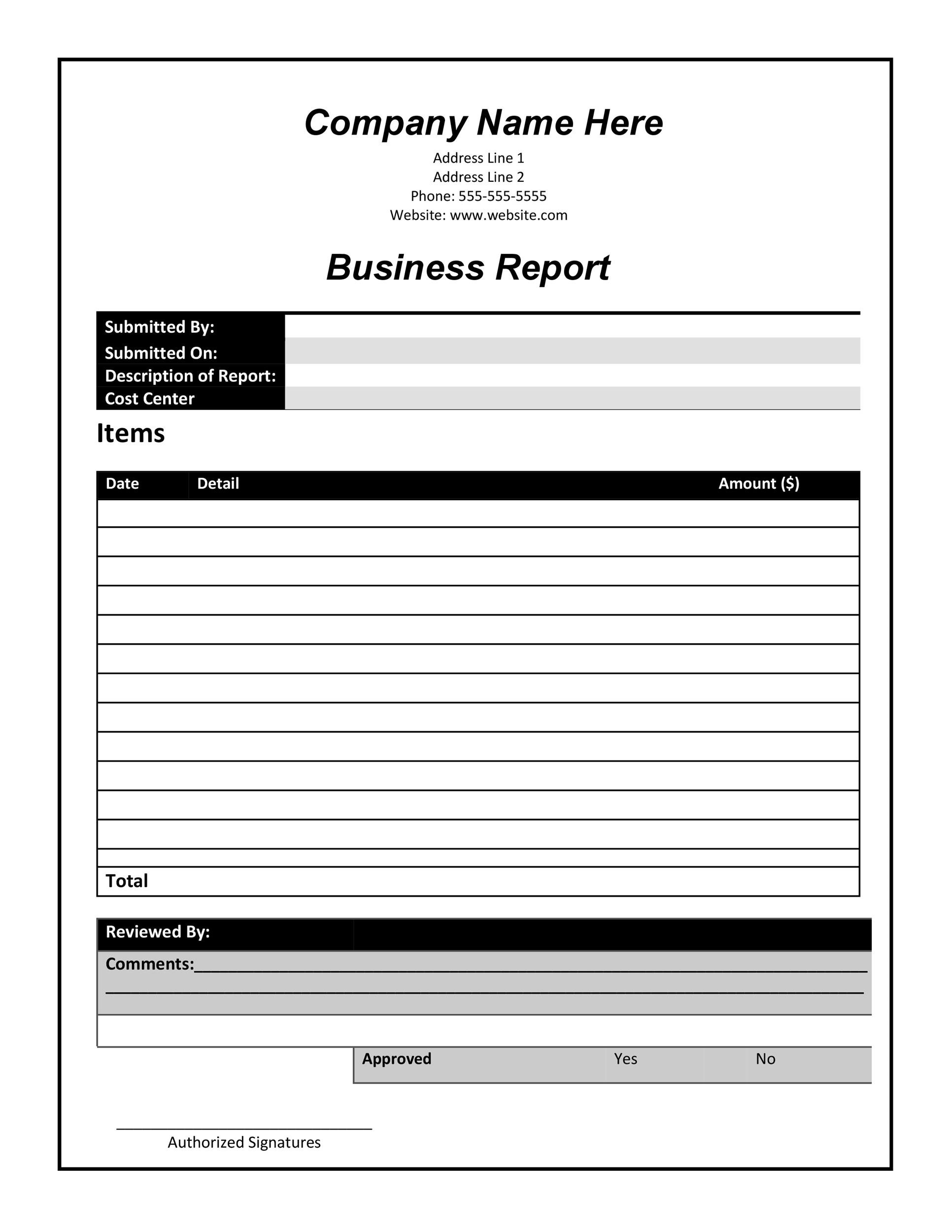
Creating effective reports is a cornerstone of business communication, data analysis, and project management. Whether you’re presenting findings to stakeholders, tracking progress, or documenting processes, a well-structured report is crucial for conveying information clearly and persuasively. But what exactly is a report template? It’s more than just a blank document; it’s a foundational structure designed to guide the creation of compelling and informative reports. This article will delve into the purpose, components, and best practices for utilizing report templates effectively. Understanding the principles behind these templates is key to ensuring your reports are polished, professional, and ultimately, successful. The core concept revolves around providing a consistent framework that allows you to focus on the data and insights rather than getting bogged down in formatting details. Let’s explore how to leverage these templates to elevate your reporting capabilities.
The Purpose of Report Templates
The primary purpose of a report template is to streamline the report creation process. Instead of starting from scratch each time, a template provides a pre-defined structure, ensuring consistency and reducing the time spent on initial setup. It’s a roadmap, guiding you through the key elements needed to present information accurately and effectively. Without a template, reports can become disorganized, time-consuming to produce, and potentially misleading. Templates help to maintain a professional tone and ensure all relevant information is included, contributing to a more credible and impactful presentation. Furthermore, they promote standardization, making it easier for multiple team members to contribute to the same report, fostering collaboration and reducing errors. Think of it as a starting point – a solid foundation upon which you can build a powerful and informative report.
Core Components of a Report Template
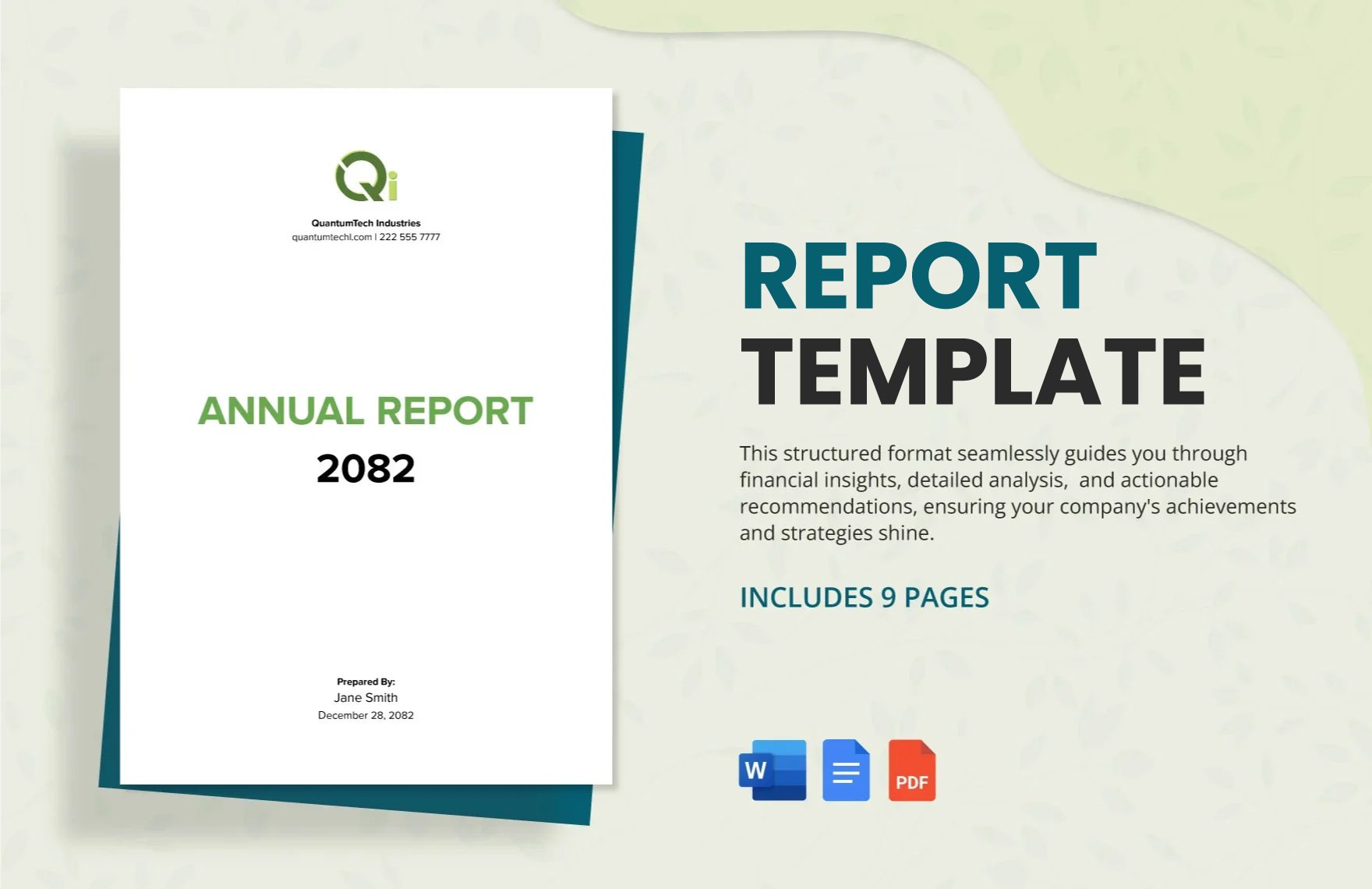
A robust report template typically includes several key components. These elements are designed to ensure a logical flow of information and facilitate easy comprehension. Firstly, there’s a Executive Summary. This is a concise overview of the entire report, highlighting the key findings, conclusions, and recommendations. It’s often the first thing readers see and should immediately capture their attention. Secondly, there’s a Introduction section that provides context for the report, outlining the purpose, scope, and methodology. It sets the stage for the reader and clarifies what the report is about. Thirdly, there’s a Data and Analysis section, where the raw data and the analysis performed on it are presented. This section is critical for demonstrating the credibility of the report. Fourthly, there’s a Findings section, detailing the specific results of the analysis. This is where you present the data in a clear and organized manner. Finally, there’s a Conclusion section that summarizes the key findings and provides actionable recommendations. A well-defined template will often include these sections, though the specific order and content may vary depending on the report’s purpose.
Template Types and Variations
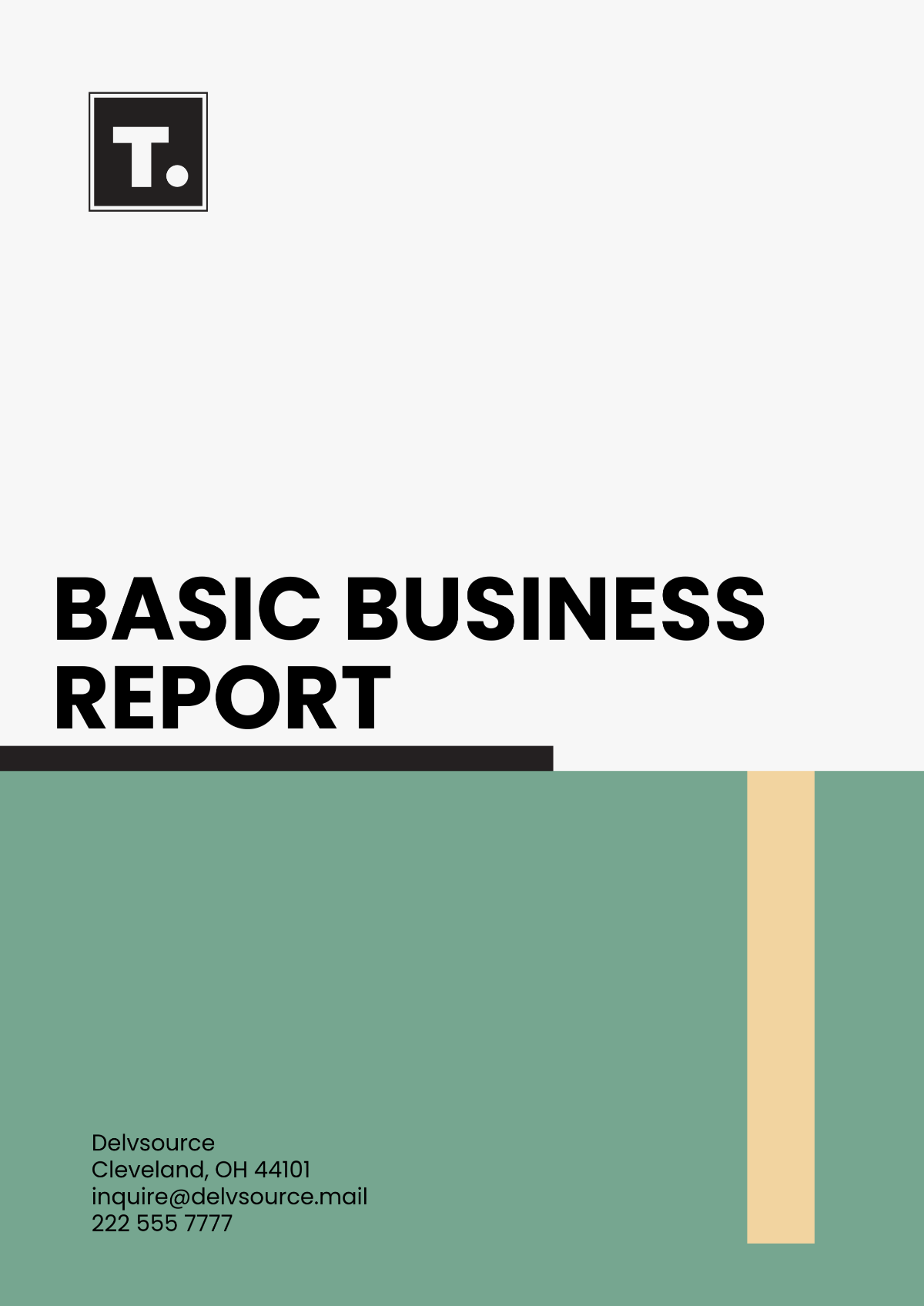
Report templates aren’t a one-size-fits-all solution. There are various types, each tailored to different report types and audiences. Standard Reports often follow a more structured approach, with clearly defined sections for each element. Data-Driven Reports emphasize the presentation of data, often using charts and graphs to illustrate key trends. Project Reports will include sections dedicated to progress, milestones, and risks. Sales Reports will focus on revenue, customer data, and sales performance. Marketing Reports will highlight campaign results, audience engagement, and ROI. Some templates offer pre-built layouts and sections, while others allow for greater customization. Choosing the right template depends on the specific needs of the report and the audience it’s intended for. Consider the complexity of the data and the desired level of detail when selecting a template.

Utilizing Templates Effectively: Best Practices
The key to successfully utilizing a report template lies in its effective application. Firstly, understand the template’s purpose. Don’t just blindly fill in the blanks; carefully review the template’s instructions and ensure you’re using it correctly. Secondly, be consistent. Maintain a consistent format throughout the report, including font styles, headings, and layout. Thirdly, focus on clarity. Use clear and concise language, avoiding jargon and technical terms that your audience may not understand. Fourthly, visualize your data. Charts, graphs, and tables can significantly enhance the readability and impact of your report. Fifthly, proofread carefully. Errors in grammar and spelling can undermine the credibility of your report. Finally, adapt the template to your specific needs. Don’t be afraid to modify the template to fit your unique requirements.
The Importance of Customization
While templates provide a solid foundation, they shouldn’t be viewed as rigid blueprints. A truly effective report often incorporates elements of customization to align with the specific needs of the project or situation. For example, a template might be modified to include specific metrics or data points relevant to the report’s objectives. Adding a brief introductory paragraph that highlights the key takeaways can also significantly improve the report’s impact. It’s about tailoring the template to the situation, not simply forcing it to fit a pre-defined mold. This level of customization demonstrates a deeper understanding of the report’s purpose and the audience it’s intended for.
Beyond the Basics: Advanced Report Template Features
Beyond the core components, some advanced report templates incorporate features that enhance their utility. Interactive Dashboards: These allow users to explore data in a dynamic way, providing a more engaging and informative experience. Automated Report Generation: Some templates can automatically generate reports based on pre-defined data sets, saving time and effort. Data Visualization Tools: These tools allow for the creation of sophisticated charts and graphs, making it easier to communicate complex data insights. Collaboration Features: Some templates include features that allow multiple users to collaborate on the report, facilitating teamwork and feedback. These advanced features can significantly improve the overall effectiveness of the report.
Conclusion: Leveraging Templates for Success
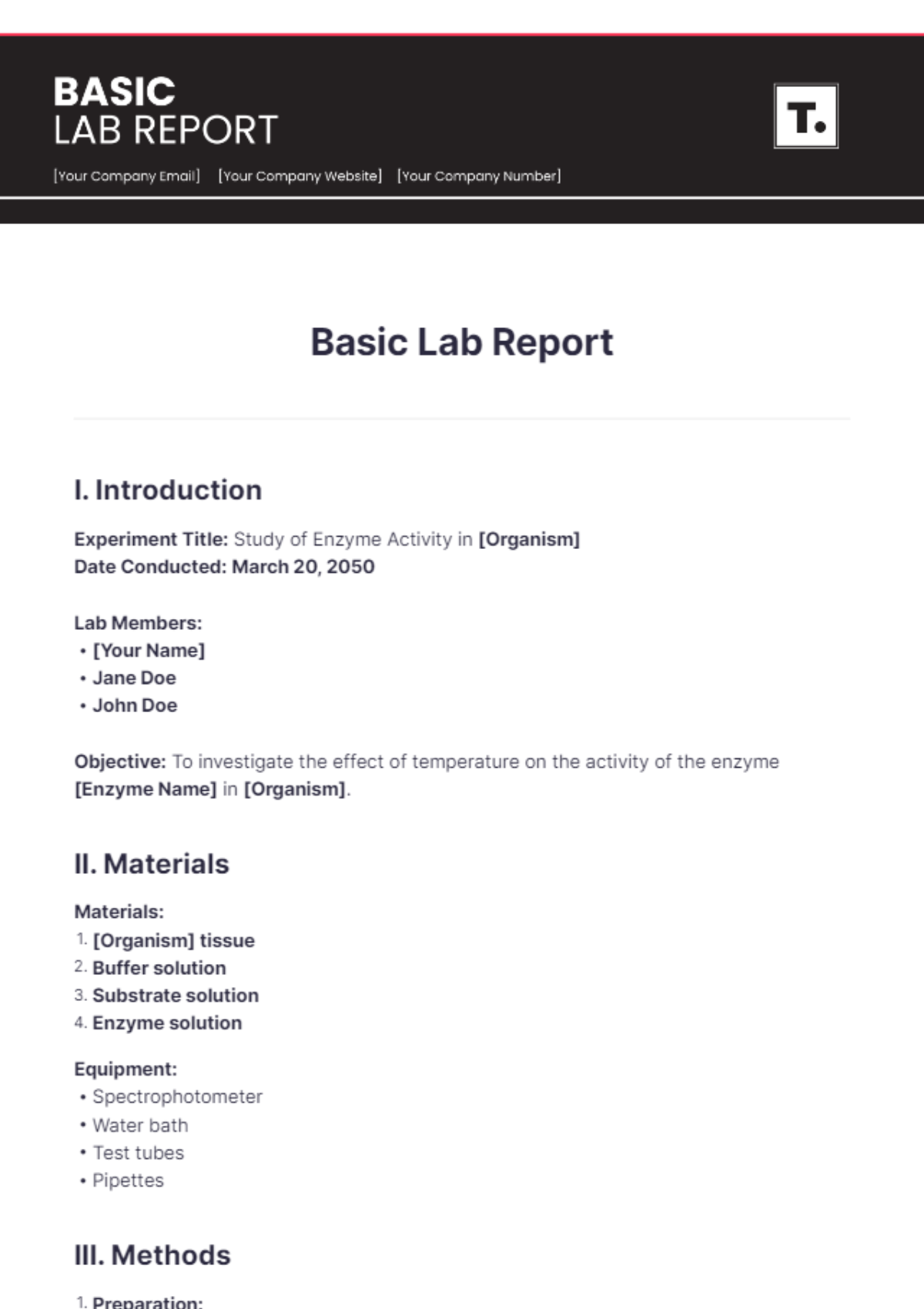
Report templates are an invaluable tool for anyone involved in creating reports. They streamline the process, ensure consistency, and facilitate clear communication. By understanding the purpose of a template, utilizing its key components effectively, and adapting it to specific needs, you can significantly improve the quality and impact of your reports. Remember that a template is a starting point, not a final product. The most effective reports are those that are tailored to the specific audience and objectives, incorporating elements of customization to maximize their impact. Investing time in mastering report template usage will undoubtedly pay dividends in terms of improved communication, data-driven decision-making, and overall project success. Ultimately, a well-crafted report, supported by a thoughtfully designed template, is a powerful tool for achieving your goals.

0 Response to "What Is A Report Template"
Posting Komentar