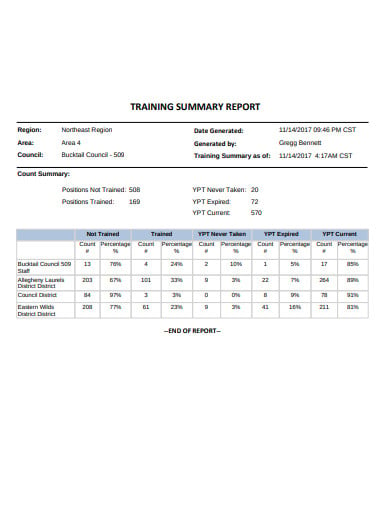
The world of training and development is constantly evolving, with new methodologies and best practices emerging regularly. Effectively capturing and disseminating the key insights from training programs is crucial for organizational success. That’s why the Training Summary Report Template has become an indispensable tool for streamlining the process of documenting and sharing training effectiveness. This template provides a structured framework for creating comprehensive reports that highlight the impact of training initiatives, allowing for data-driven decision-making and continuous improvement. It’s more than just a document; it’s a strategic communication tool designed to showcase the value of your training investments. Understanding the importance of a well-crafted report is paramount for demonstrating ROI and ensuring that training programs remain relevant and effective. This article will delve into the key components of a robust training summary report template, offering practical guidance and examples to help you create impactful reports that resonate with your audience. Let’s explore how to leverage this template to unlock the full potential of your training programs.
Understanding the Need for Training Summary Reports
Before diving into the specifics of the template, it’s important to understand why these reports are so vital. Organizations are increasingly recognizing that training isn’t just about providing knowledge; it’s about fostering skills, improving performance, and driving business results. However, simply delivering training isn’t enough. Organizations need to demonstrate how training has impacted the bottom line. A comprehensive training summary report provides this crucial evidence, allowing for clear communication of the return on investment (ROI) of training programs. Without this data, it’s difficult to justify continued investment and to identify areas for optimization. Furthermore, these reports serve as a valuable resource for identifying skill gaps within the workforce, informing future training needs, and ensuring that training aligns with evolving business objectives. The ability to accurately track and report on training effectiveness is a key differentiator for organizations striving to remain competitive.
The Core Components of a Training Summary Report Template
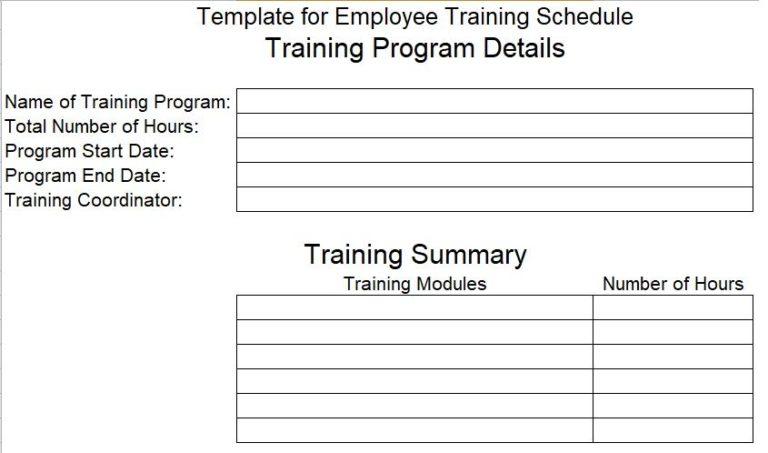
A well-designed Training Summary Report Template typically includes several key sections. Each section is designed to gather specific data and insights related to the training program. Here’s a breakdown of the essential components:
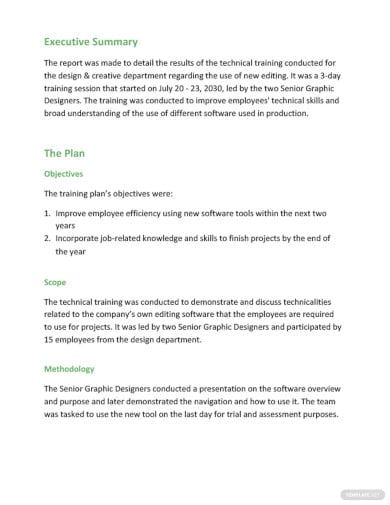
1. Executive Summary
The Executive Summary is arguably the most important section of the report. It provides a concise overview of the entire training program, highlighting key findings and recommendations. It should be written last, after all other sections have been completed, and should be easily digestible for busy stakeholders. The summary should clearly state the training objectives, methodology, key results, and overall impact. This section directly addresses the Main Keyword: "Training Summary Report Template" by providing a succinct overview of the entire process. It’s a critical first impression and should immediately convey the value of the report.
2. Training Objectives and Methodology
This section details the specific learning objectives that were set for the training program. It’s crucial to clearly articulate what participants were expected to learn and how the training was delivered. The methodology section should describe the training delivery methods used (e.g., instructor-led, online, blended learning), the training materials provided, and the assessment methods employed. Documenting the chosen methodology helps to ensure consistency and comparability across different training programs. For example, specifying the Kirkpatrick levels (Reaction, Learning, Behavior, Results) provides a framework for evaluating the effectiveness of the training.
3. Key Performance Indicators (KPIs)
This section focuses on the metrics used to measure the success of the training program. KPIs should be aligned with the specific learning objectives and should be tracked over time. Common KPIs include:
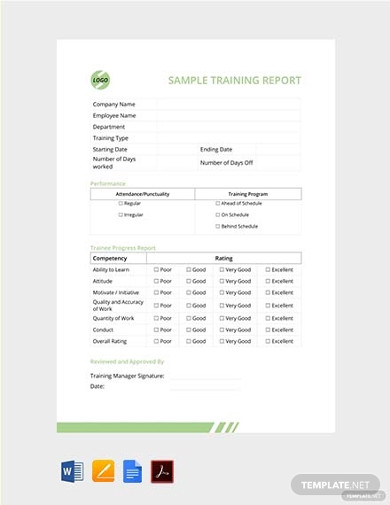
- Completion Rates: Percentage of participants who successfully completed the training.
- Knowledge Retention: Measured through quizzes, tests, or practical assessments.
- Skill Improvement: Quantifiable improvements in skills demonstrated through performance evaluations or simulations.
- Behavioral Changes: Tracking changes in employee behavior as a result of the training (e.g., improved customer service, increased productivity).
- Return on Investment (ROI): Calculating the financial benefits of the training program relative to its cost.
The selection of appropriate KPIs is critical for accurately assessing the impact of the training. A robust KPI tracking system allows for data-driven decision-making and continuous improvement.
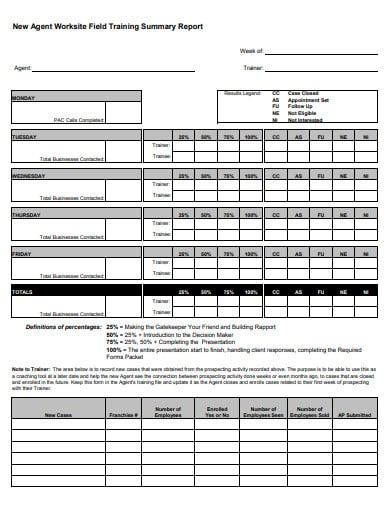
4. Training Feedback and Participant Analysis
This section incorporates qualitative data gathered from participants through surveys, focus groups, or individual interviews. It provides valuable insights into the participant experience and identifies areas for improvement. Feedback should be analyzed to understand what worked well, what didn’t, and what could be done differently in the future. Analyzing participant feedback can reveal valuable insights into the relevance and effectiveness of the training content. For example, identifying common challenges or areas of confusion can inform future training design.

5. Results and Impact Assessment
This is the core of the report, presenting the data collected from the KPIs and participant feedback. It should include visual representations of the data, such as charts and graphs, to make it easy to understand. The report should clearly demonstrate the impact of the training on key business outcomes, such as increased sales, improved customer satisfaction, or reduced errors. Quantifiable results are essential for demonstrating the value of the training investment. This section is where the Keyword: "Training Summary Report Template" is most prominently featured, showcasing the data collected and analyzed.
6. Recommendations and Next Steps
Based on the analysis of the data, the report should conclude with actionable recommendations for future training initiatives. These recommendations should be specific, measurable, achievable, relevant, and time-bound (SMART). The report should also suggest next steps for continuous improvement, such as revisiting the training content, expanding the training program, or implementing new training methods. This section demonstrates that the report is not just a snapshot of the past but also a roadmap for future success.
Conclusion: Leveraging the Training Summary Report Template for Continuous Improvement
The Training Summary Report Template is a powerful tool for organizations seeking to optimize their training investments. By systematically documenting the impact of training programs, this template provides the data needed to demonstrate ROI, identify skill gaps, and continuously improve the effectiveness of training initiatives. The consistent use of this template, coupled with a focus on data-driven decision-making, will ensure that training remains aligned with business objectives and contributes to sustained organizational success. Ultimately, the template empowers organizations to transform training from a cost center into a strategic asset. As technology and learning methodologies continue to evolve, the adaptability and flexibility of the Training Summary Report Template will remain crucial for navigating the ever-changing landscape of professional development. Investing in a well-designed and regularly updated template is an investment in the future of your workforce.
0 Response to "Training Summary Report Template"
Posting Komentar