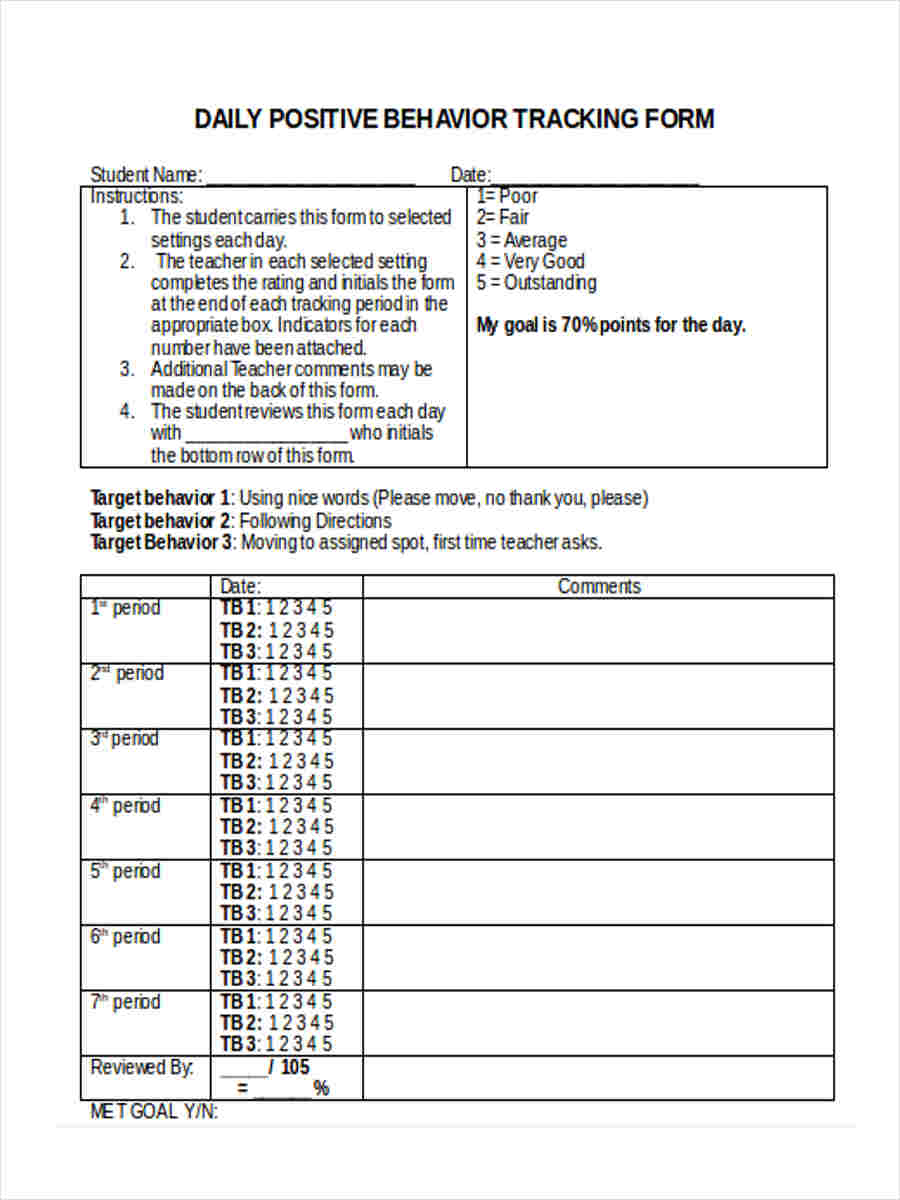
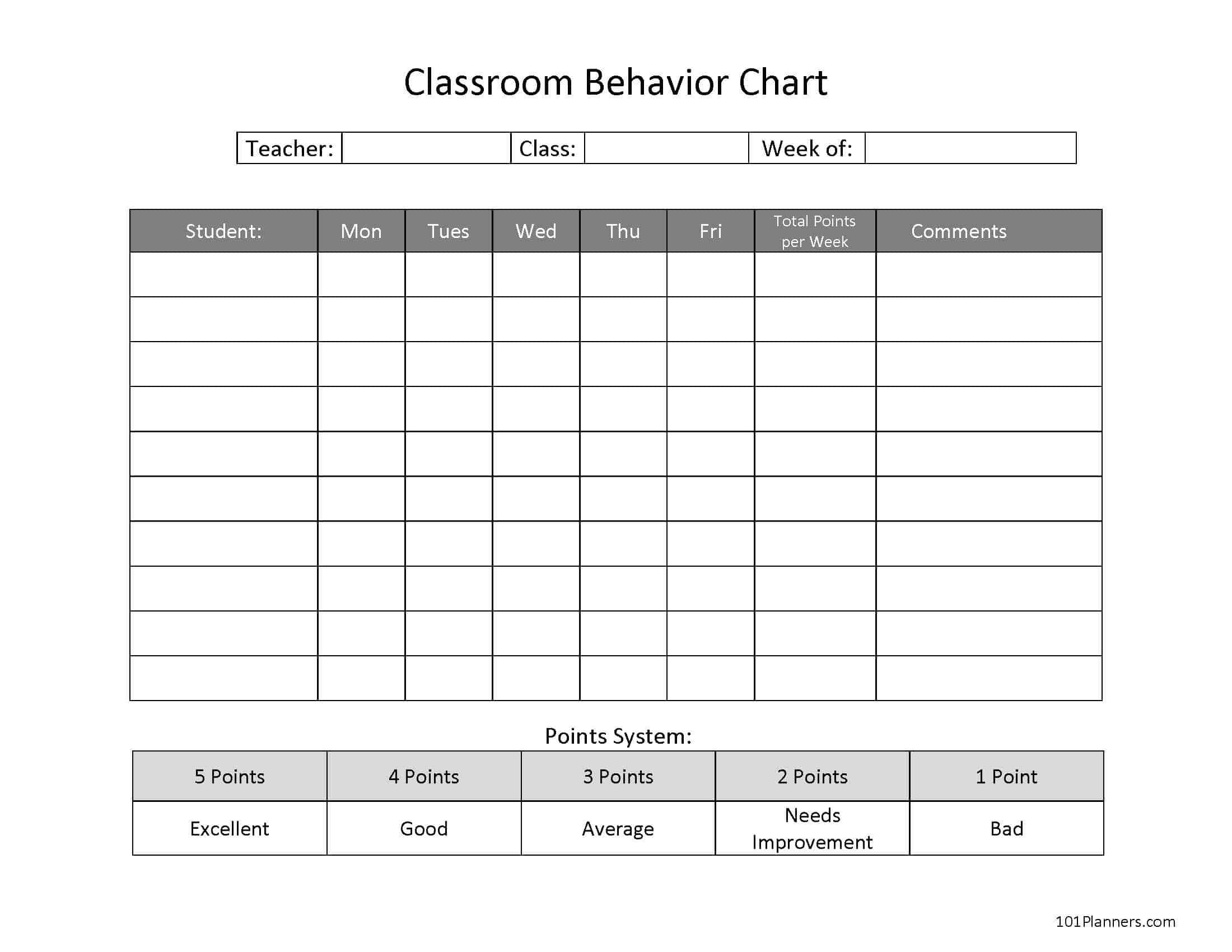
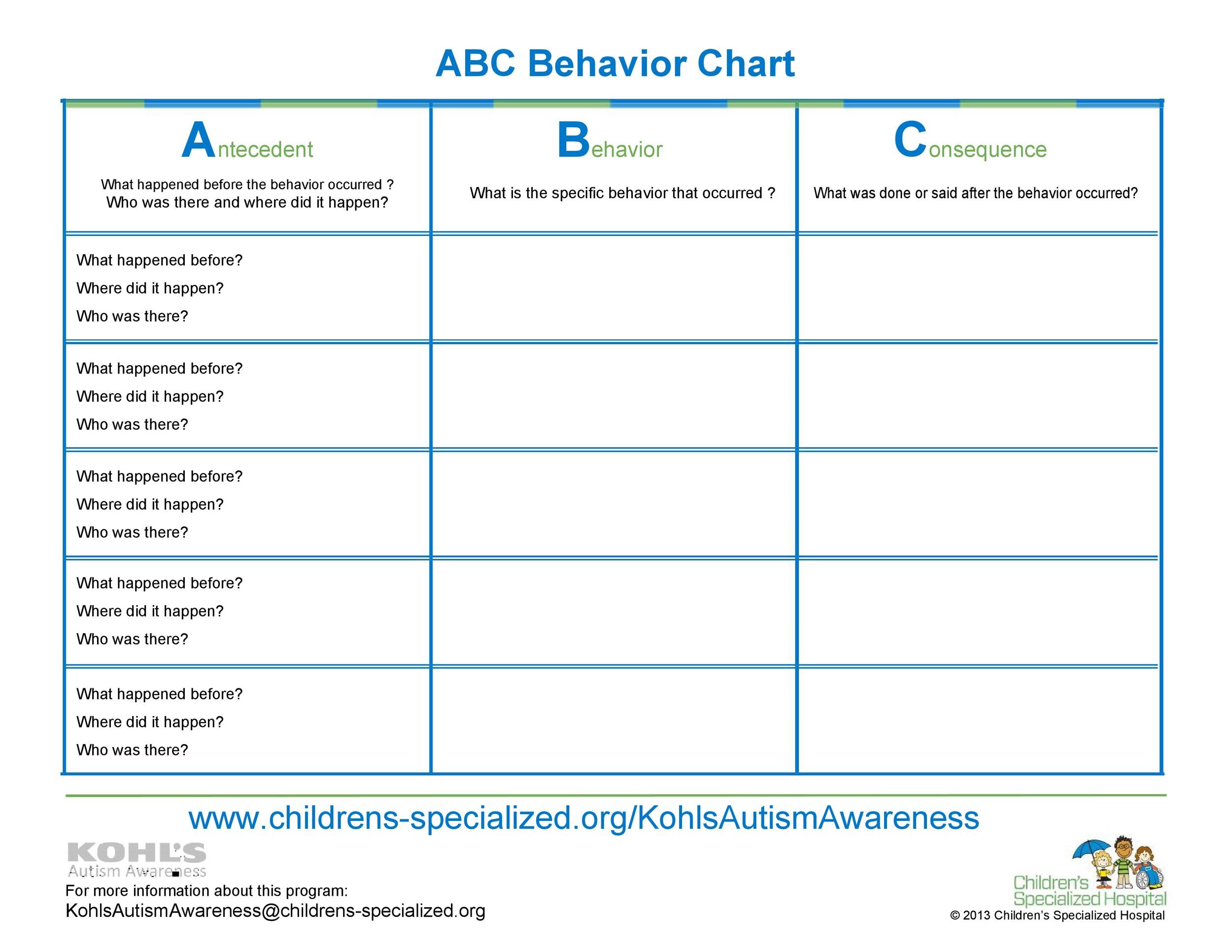
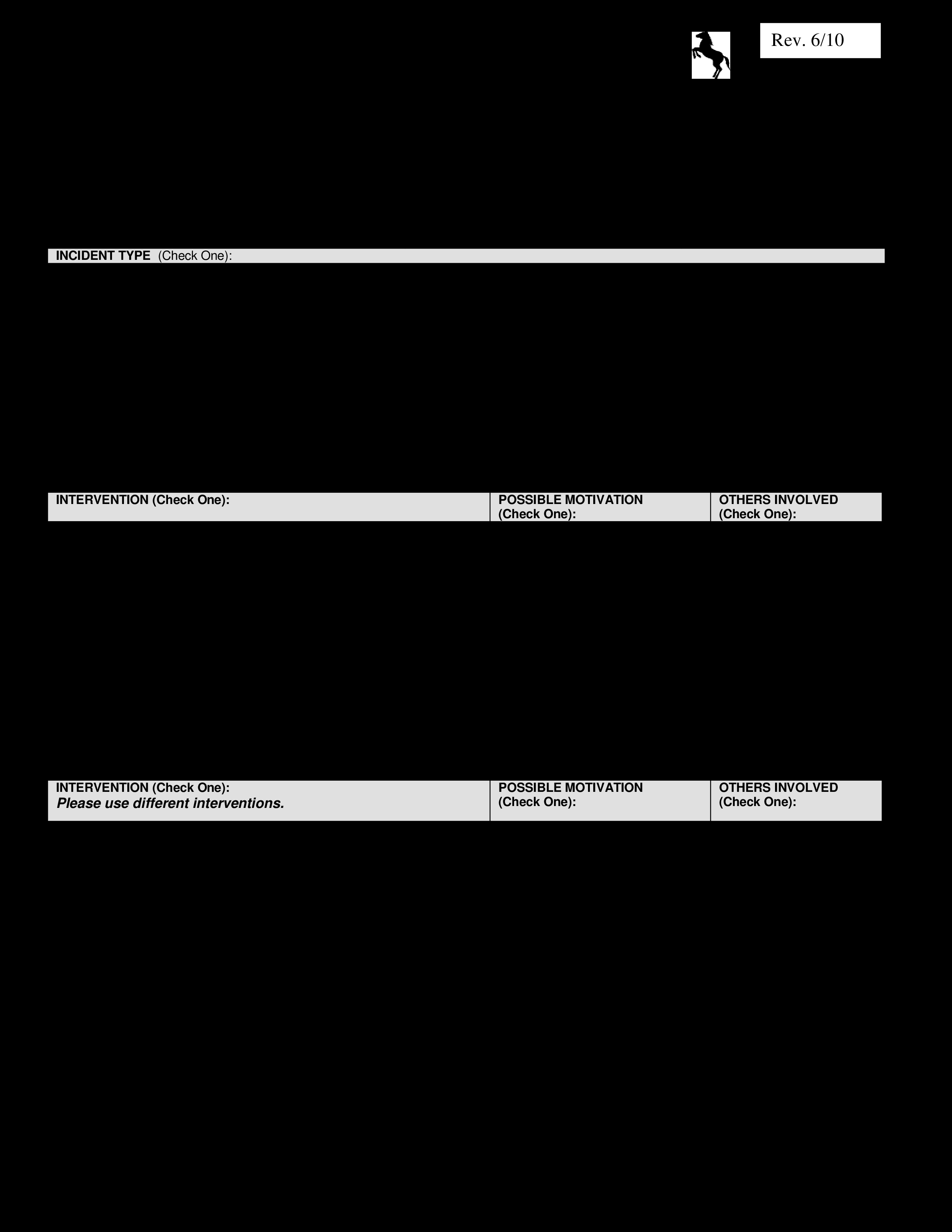
The modern workplace is increasingly focused on data-driven decision-making. Tracking individual performance and understanding patterns within a team can significantly improve efficiency and productivity. That’s why a robust Daily Behavior Report Template is becoming increasingly vital. This template provides a structured framework for capturing and analyzing individual performance, fostering accountability, and identifying areas for improvement. It’s more than just a checklist; it’s a tool for understanding why people behave the way they do, ultimately leading to better results. Daily Behavior Report Template is designed to be adaptable to various roles and industries, offering a flexible solution for organizations seeking to optimize their workforce. This article will delve into the benefits of implementing a well-designed template, explore its key components, and provide practical examples of how to use it effectively. We’ll cover everything from initial setup to data analysis and actionable insights.
Understanding the Importance of Daily Behavior Reports
Before diving into the specifics of the template, it’s crucial to understand why these reports are so valuable. They move beyond simply assigning grades or tracking metrics. They offer a deeper, more nuanced understanding of individual behaviors and their impact on team goals. Consistent monitoring of behavior allows managers to identify potential roadblocks, address performance issues proactively, and foster a culture of continuous improvement. Furthermore, the data gathered can be used to tailor training programs and coaching sessions, ensuring that employees receive the support they need to succeed. Without a structured approach, it’s easy to rely on guesswork and subjective assessments, leading to inconsistent results and potentially damaging team dynamics. A well-crafted Daily Behavior Report Template empowers managers to make informed decisions and cultivate a more engaged and productive workforce.
Core Components of a Daily Behavior Report Template
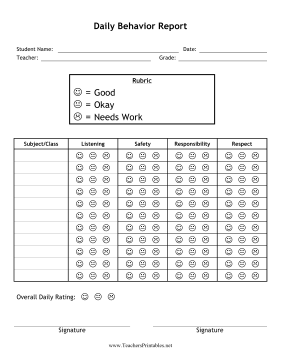
A truly effective Daily Behavior Report Template should be comprehensive and easy to use. Here’s a breakdown of the key components:

- Date and Time: Record the date and time the report is generated. This is essential for tracking trends over time.
- Individual: Clearly identify the employee being reported on.
- Role: Specify the employee’s role within the organization.
- Task/Objective: Detail the specific task or objective the employee was responsible for during the day.
- Actual Performance: This is the core of the report. Describe how the employee performed against the defined objective. Be specific and provide concrete examples. Avoid vague statements like “did a good job.” Instead, use phrases like “Successfully completed the X report, exceeding the deadline by 2 hours.”
- Challenges Faced: Document any obstacles or challenges the employee encountered during the day. Understanding these challenges is critical for identifying potential areas for support or improvement.
- Support Received: Note any assistance or resources provided by the manager or team.
- Observations: This section allows for qualitative observations – what the employee said or did that contributed to their performance. This can include communication styles, collaboration efforts, and problem-solving approaches.
- Action Items: Clearly outline any action items assigned to the employee and the agreed-upon timeline for completion.
Section 1: Daily Task Breakdown – A Focus on Accountability
This section is designed to provide a detailed account of the employee’s daily activities. It’s a critical element for ensuring accountability and identifying areas where performance deviates from expectations.
- Task 1: Describe the primary task completed.
- Task 2: Detail any secondary tasks undertaken.
- Task 3: Highlight any significant interactions or collaborations involved.
- Challenge Encountered: Specifically address any difficulties encountered during the task.
- Solution Implemented: Explain how the employee addressed the challenge.
- Outcome: Assess the effectiveness of the solution. Did it resolve the issue? Did it lead to a positive result?
Key takeaway: This section is about evidence. It’s not about judging; it’s about documenting the process.
:max_bytes(150000):strip_icc()/homenote-62b677f7ecc54669b0181ed05b956efa.jpg)
Section 2: Communication & Collaboration – Building Relationships
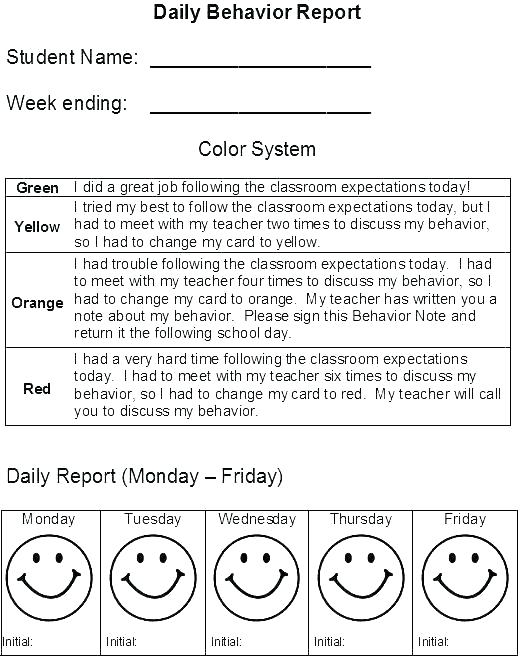
Effective communication is paramount to successful teamwork. This section focuses on how the employee interacted with colleagues and stakeholders.
- Communication Channels Used: List the communication channels utilized (e.g., email, instant messaging, face-to-face meetings).
- Communication Style: Describe the employee’s communication style – was it direct, collaborative, formal, informal?
- Collaboration Efforts: Highlight any successful collaborations and the impact of these interactions.
- Feedback Received: Document any feedback received from colleagues or stakeholders.
- Impact on Team Dynamics: Assess how the employee’s communication style contributed to a positive or negative team dynamic.
Important Note: This section is about understanding the employee’s interactions, not simply evaluating their communication skills.
Section 3: Problem-Solving & Initiative – Identifying Opportunities for Growth
This section is dedicated to examining the employee’s approach to problem-solving and their willingness to take initiative.
- Problem Identification: Describe any challenges the employee identified and the steps they took to address them.
- Initiative Taken: Document any proactive steps the employee took to improve processes or solve problems.
- Innovation & Creativity: Assess the employee’s ability to generate new ideas or approaches.
- Resource Utilization: Note how effectively the employee utilized available resources (e.g., tools, training, support).
- Learning & Adaptation: Evaluate the employee’s ability to learn from mistakes and adapt to changing circumstances.
Section 4: Overall Performance & Trends – A Holistic View
This section provides a summary of the employee’s overall performance and identifies any trends or patterns.
- Key Accomplishments: Highlight significant achievements and contributions.
- Areas for Improvement: Identify specific areas where the employee could improve their performance. Be constructive and focus on actionable steps.
- Strengths: Recognize and acknowledge the employee’s key strengths.
- Overall Rating (Optional): Consider assigning an overall rating based on a predefined scale (e.g., 1-5 stars). This should be used cautiously and with sensitivity.
- Future Goals: Discuss potential goals for the employee’s development.
Conclusion – The Power of Data-Driven Insights
The Daily Behavior Report Template is a powerful tool for fostering a culture of accountability, continuous improvement, and employee engagement. By systematically tracking and analyzing individual performance, organizations can gain valuable insights into what’s working, what’s not, and how to optimize their workforce. Daily Behavior Report Template is not a one-size-fits-all solution; it requires careful customization to align with specific organizational needs and goals. Regular review and refinement of the template are essential to ensure its continued effectiveness. Ultimately, the goal is to empower employees to reach their full potential and contribute to the success of the organization. The consistent application of this template, coupled with open communication and constructive feedback, will yield significant benefits for both individuals and the organization as a whole. Remember that the data gathered should be used to drive positive change, not simply to punish or criticize. Focus on understanding why behavior occurs and then implementing targeted interventions to support improvement.
0 Response to "Daily Behavior Report Template"
Posting Komentar