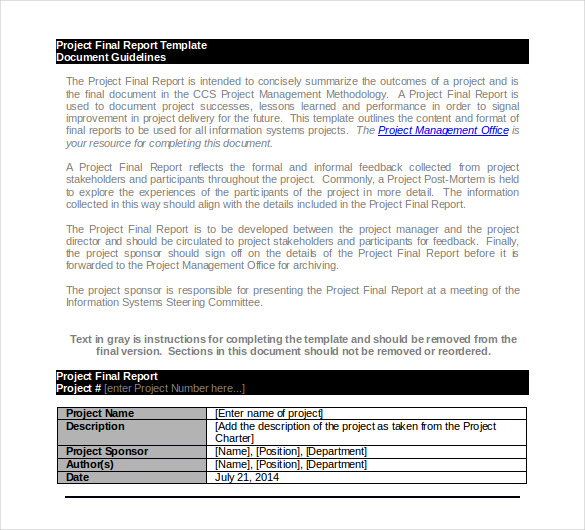
The creation and utilization of a well-structured Post Project Report Template is increasingly vital for effective project management and communication. In today's dynamic business environment, clear, concise reports are essential for stakeholders to understand project progress, identify potential issues, and make informed decisions. A robust template provides a consistent framework for capturing key information, streamlining the reporting process, and ultimately contributing to project success. This article will delve into the importance of a Post Project Report Template, exploring its key components, benefits, and best practices for creating a truly valuable tool. Post Project Report Template is more than just a document; it's a strategic asset that fosters transparency and accountability. It's a foundational element for any project, regardless of its size or complexity. Let's explore how to build one that truly delivers.
The Importance of a Post Project Report Template
Before we dive into the specifics of the template itself, it's crucial to understand why it's so important. Projects, by their nature, are complex and often involve numerous moving parts. Without a standardized reporting mechanism, communication can become fragmented, leading to misunderstandings, delays, and ultimately, project failure. A well-designed Post Project Report Template ensures that all relevant information is captured, organized, and readily accessible to stakeholders. It's a critical tool for demonstrating accountability and providing a clear picture of project performance. Furthermore, it facilitates continuous improvement by allowing for retrospective analysis and identification of areas for optimization. The ability to quickly and accurately share information streamlines workflows and boosts team collaboration. Ultimately, investing in a quality Post Project Report Template is an investment in project success.
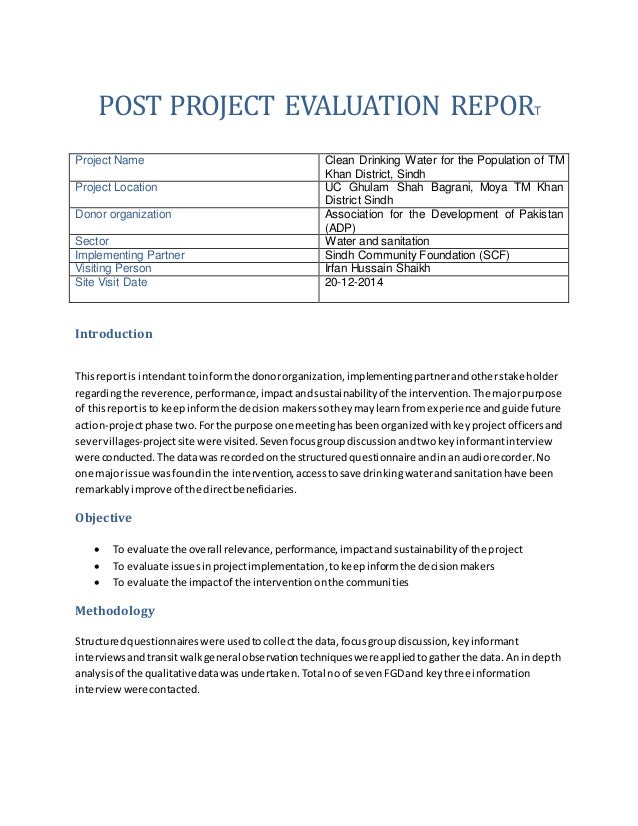
Core Components of a Post Project Report Template
A comprehensive Post Project Report Template typically includes several key sections. Each section is designed to address a specific aspect of the project. Here's a breakdown of the essential components:

- Executive Summary: This is arguably the most important section. It provides a concise overview of the entire project, highlighting key achievements, challenges, and overall results. It's a brief, high-level summary designed to capture the reader's attention immediately. Post Project Report Template emphasizes the need for a strong executive summary.
- Project Goals and Objectives: Clearly define the initial goals and objectives of the project. This section should reiterate these goals and provide evidence of their achievement. It's vital to demonstrate how the project aligned with strategic business objectives.
- Project Scope: A detailed description of what was included and excluded from the project. This helps to avoid scope creep and ensures everyone is on the same page.
- Methodology and Approach: Outline the methods and techniques used to complete the project. This section can include details about the project management methodology employed, tools used, and any relevant processes followed.
- Timeline and Schedule: Present a clear timeline of the project, including key milestones and deadlines. Visual representations like Gantt charts are often beneficial here.
- Budget and Expenses: A detailed breakdown of all project costs, including labor, materials, and other expenses. This section should include a comparison of actual expenses versus the budgeted amount.
- Deliverables: A list of all the tangible outputs produced during the project. This could include reports, presentations, software, or other completed items.
- Risk Management: Document any risks that were identified and addressed during the project. This section should outline mitigation strategies and lessons learned.
- Lessons Learned: A critical section for capturing insights gained during the project. This should include a discussion of what worked well, what didn't, and recommendations for future projects. This is a key element of continuous improvement.
- Appendix (Optional): Include supporting documents such as meeting minutes, data tables, and other relevant materials.
Benefits of Utilizing a Post Project Report Template
The benefits of implementing a well-structured Post Project Report Template extend far beyond simply creating a document. Here's a look at some key advantages:
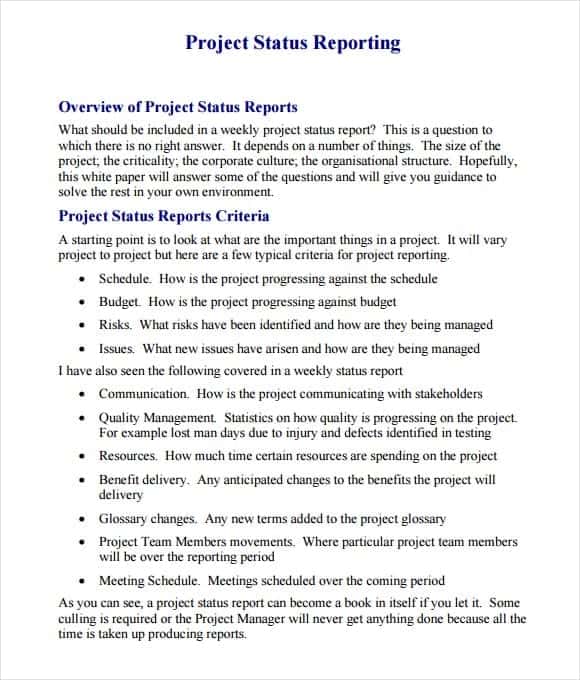
- Improved Communication: A standardized template ensures that all stakeholders receive the same information, reducing confusion and misunderstandings.
- Enhanced Accountability: Clear reporting requirements promote accountability and ensure that project tasks are completed on time and within budget.
- Streamlined Reporting: A template simplifies the reporting process, saving time and resources.
- Data-Driven Decision Making: The report provides a solid foundation for data-driven decision-making, allowing stakeholders to assess project performance and identify areas for improvement.
- Increased Transparency: A transparent reporting process builds trust and confidence among stakeholders.
- Continuous Improvement: The lessons learned section encourages a culture of continuous improvement, leading to more effective project management practices.
Best Practices for Creating a Effective Post Project Report Template
Creating a truly effective Post Project Report Template requires careful planning and attention to detail. Here are some best practices to consider:
- Tailor the Template: Don't use a generic template. Customize it to fit the specific needs of each project.
- Use Clear and Concise Language: Avoid jargon and technical terms that may not be understood by all stakeholders.
- Visual Appeal: Use formatting and visuals (charts, graphs, tables) to make the report more engaging and easier to read.
- Consistency: Maintain a consistent format and style throughout the report.
- Data Validation: Ensure that all data is accurate and reliable.
- Regular Review: Review and update the template periodically to ensure it remains relevant and effective.
- Automation (Consider): Explore tools that can automate the creation of reports, reducing manual effort and improving efficiency.
Conclusion
In conclusion, a well-structured Post Project Report Template is an indispensable tool for project managers and teams. It's more than just a document; it's a strategic asset that fosters communication, accountability, and continuous improvement. By investing in a quality template, organizations can significantly enhance their project management capabilities and achieve greater success. The consistent application of a robust template will undoubtedly contribute to a more efficient and effective project lifecycle. Post Project Report Template is a fundamental component of successful project execution.
Conclusion
The creation and utilization of a well-structured Post Project Report Template is increasingly vital for effective project management and communication. In today's dynamic business environment, clear, concise reports are essential for stakeholders to understand project progress, identify potential issues, and make informed decisions. A well-designed template provides a consistent framework for capturing key information, streamlining the reporting process, and ultimately contributing to project success. It's a foundational element for any project, regardless of its size or complexity. Post Project Report Template is more than just a document; it's a strategic asset that fosters transparency and accountability. It's a critical tool for demonstrating accountability and providing a clear picture of project performance. Furthermore, it facilitates continuous improvement by allowing for retrospective analysis and identification of areas for optimization. The ability to quickly and accurately share information streamlines workflows and boosts team collaboration. Ultimately, investing in a quality Post Project Report Template is an investment in project success.
0 Response to "Post Project Report Template"
Posting Komentar