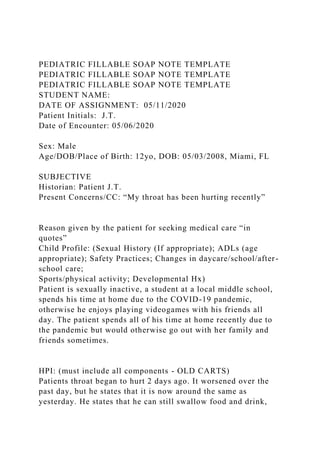
The healthcare landscape is constantly evolving, demanding efficient and organized documentation for pediatric care. This is where the Pediatric Soap Note Template comes into play – a crucial tool for clinicians to effectively communicate patient information, track progress, and streamline workflows. A well-structured soap note provides a concise and readily accessible record of a patient's condition, treatment, and observations, ultimately contributing to improved patient outcomes and reduced administrative burden. This article will delve into the purpose, benefits, creation, and best practices for utilizing a Pediatric Soap Note Template. Understanding its importance is paramount for pediatricians and other healthcare professionals.
Why Pediatric Soap Note Templates Are Essential
The traditional paper-based medical record system often struggles to keep pace with the demands of modern healthcare. Doctors and nurses spend significant time manually compiling information, increasing the risk of errors and delays in patient care. The Pediatric Soap Note Template offers a streamlined solution, designed specifically for the unique needs of pediatric patients. It's more than just a document; it's a vital component of coordinated care, facilitating clear communication between providers and ensuring continuity of care. The adoption of this template has demonstrably improved efficiency and reduced administrative costs within many healthcare settings. Without a standardized format, clinicians risk losing valuable information, leading to potential misinterpretations and suboptimal treatment plans.
The Core Components of a Pediatric Soap Note
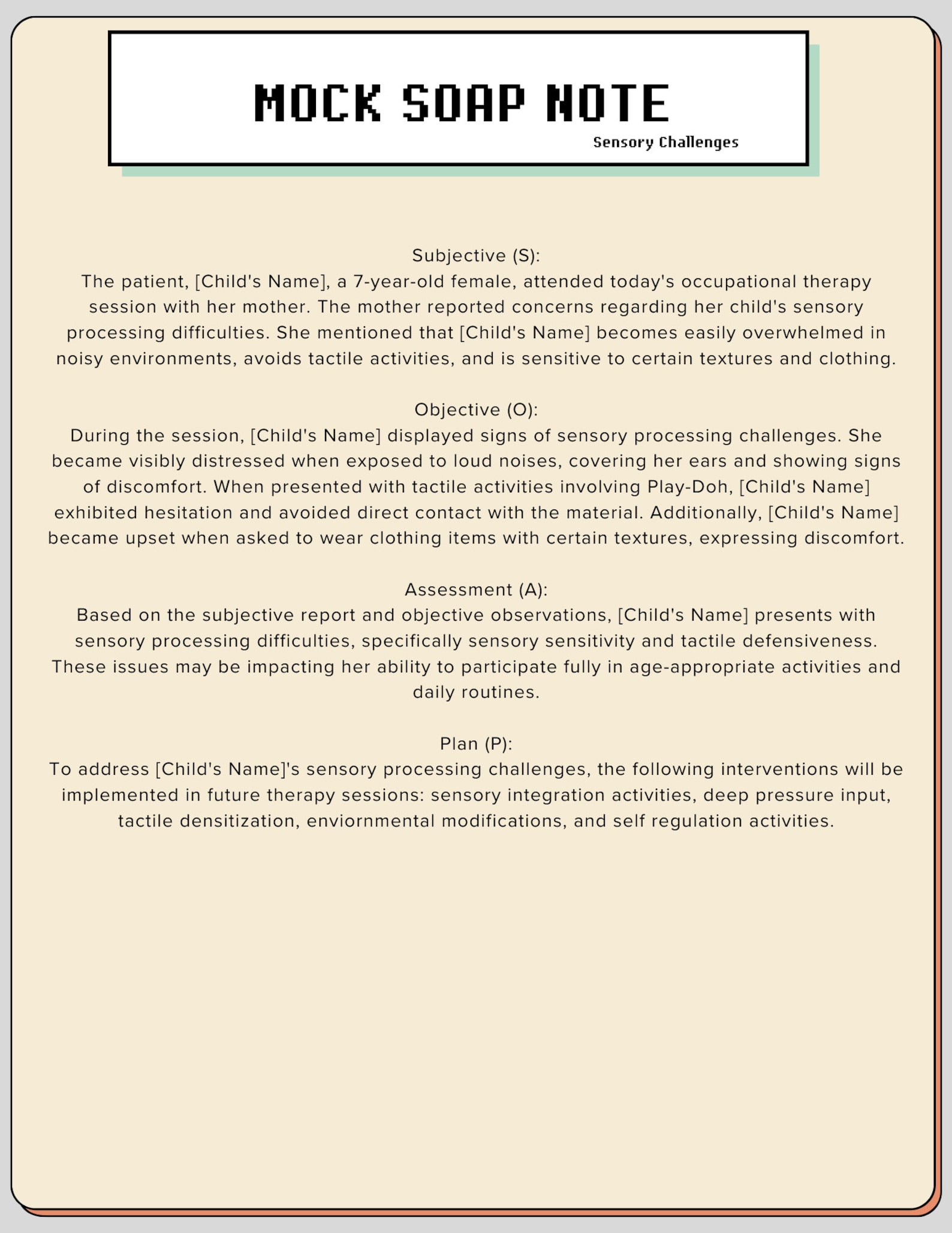
A comprehensive Pediatric Soap Note typically includes the following key elements:

- Patient Demographics: This section includes the patient's full name, date of birth, address, contact information, and insurance details. Accurate and complete demographic data is fundamental for identifying and tracking patients effectively.
- Chief Complaint: A concise statement of the primary reason for the patient's visit. This should be a clear and understandable explanation for the clinician.
- History of Present Illness (HPI): A detailed account of the patient's current condition, including onset, duration, severity, and any relevant past medical history. This section is critical for understanding the patient's current needs.
- Past Medical History (PMH): A summary of the patient's previous medical conditions, surgeries, hospitalizations, and allergies.
- Medications: A complete list of all medications the patient is currently taking, including dosage, frequency, and route of administration.
- Allergies: A detailed list of known allergies, including the type of reaction.
- Immunizations: A record of the patient's immunization history, including dates of vaccination.
- Social History: Information about the patient's lifestyle, including smoking, alcohol consumption, drug use, and occupation.
- Family History: A brief overview of the patient's family medical history, particularly any relevant conditions.
- Physical Examination Findings: A summary of the physical examination findings, including vital signs (temperature, pulse, respiration, blood pressure), and observations of the patient's appearance and overall condition.
- Assessment: The clinician's interpretation of the patient's condition, including a diagnosis or differential diagnosis.
- Plan: A detailed plan for treatment, including medications, therapies, follow-up appointments, and referrals.
Creating a Pediatric Soap Note – Best Practices
Effective creation of a Pediatric Soap Note requires careful attention to detail and adherence to established guidelines. Several templates and software programs are available to streamline the process. Here are some key best practices:

- Use a Consistent Format: Adopting a standardized format ensures that all information is presented in a consistent manner, making it easier to compare and analyze data.
- Be Concise and Clear: Clinicians should strive to write concisely and clearly, avoiding jargon and unnecessary details. Focus on the most relevant information.
- Use Standardized Terminology: Employing consistent medical terminology ensures that all clinicians understand the information being recorded.
- Utilize Visual Aids: Incorporating diagrams, illustrations, or photographs can enhance the clarity of the note and aid in communication.
- Document Specifics: Don't just state a fact; provide context and rationale. For example, instead of saying "Patient has a fever," state "Patient's temperature is 102.5°F, consistent with a possible influenza infection."
- Utilize Electronic Health Records (EHRs): Many EHR systems offer built-in templates and features that can significantly improve the efficiency and accuracy of soap note creation.
The Importance of Data Security and Privacy
Protecting patient privacy is of utmost importance. All data collected and stored within a Pediatric Soap Note Template must be handled in accordance with HIPAA regulations and other relevant privacy laws. Secure storage and access controls are essential to prevent unauthorized access and maintain patient confidentiality. Regular audits and training are crucial to ensure compliance.
Conclusion
The Pediatric Soap Note Template has become an indispensable tool for pediatric healthcare providers. Its ability to streamline documentation, improve communication, and enhance patient safety makes it a critical component of modern clinical practice. By understanding the purpose, components, and best practices for creating a comprehensive and accurate soap note, clinicians can significantly improve the quality of care provided to children. Continued innovation in technology and template design will undoubtedly further enhance the utility and efficiency of this vital document. The ongoing evolution of healthcare demands adaptable tools, and the Pediatric Soap Note Template remains a cornerstone of effective pediatric care.
Conclusion
The Pediatric Soap Note Template is a fundamental element of modern pediatric healthcare, facilitating clear communication, efficient documentation, and ultimately, improved patient outcomes. Its consistent structure, emphasis on key information, and adaptability to evolving clinical needs make it an invaluable resource for clinicians. By embracing this template and adhering to established guidelines, healthcare providers can contribute to a more organized, efficient, and patient-centered healthcare system. The continued refinement and integration of this template will undoubtedly shape the future of pediatric care.
0 Response to "Pediatric Soap Note Template"
Posting Komentar