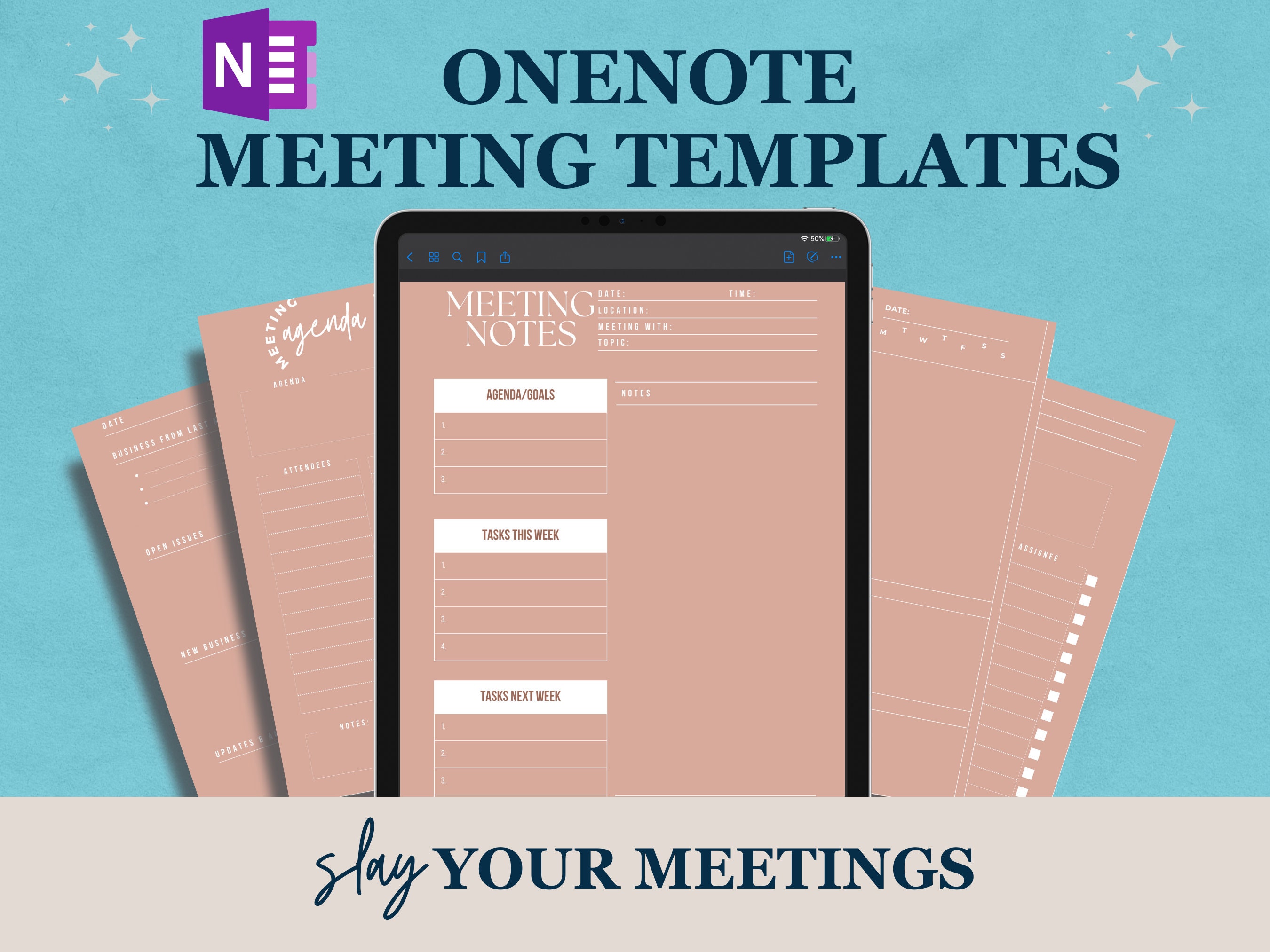
In today's fast-paced business environment, effective communication and collaboration are paramount. Meetings, whether internal or external, are a crucial component of achieving these goals. However, many meetings are unproductive, wasting valuable time and resources. That's where the Onenote Meeting Template comes in – a structured framework designed to maximize efficiency and ensure every meeting delivers tangible results. This article will explore the key elements of a successful Onenote Meeting Template, providing you with the tools to transform your meetings from chaotic events into focused, productive sessions. The core of this template centers around clear objectives, pre-meeting preparation, active participation, and post-meeting follow-up. Understanding and implementing these principles will significantly improve your team's performance and overall organizational success. Let's dive in and discover how to leverage the power of the Onenote Meeting Template.
Understanding the Importance of Structured Meetings
Before we delve into the specifics of the template, it's vital to understand why structured meetings are so beneficial. Traditional, unstructured meetings often lack a clear agenda, leading to attendees drifting off-topic, wasting time, and ultimately, failing to achieve their intended outcomes. A well-defined Onenote Meeting Template provides a roadmap, ensuring everyone understands the purpose, objectives, and expected contributions. It fosters accountability, reduces confusion, and ultimately, delivers more value. The initial investment in creating a template pays dividends in terms of improved meeting outcomes and increased team efficiency.
Defining Your Meeting Objectives
The very first step in creating a successful Onenote Meeting Template is to clearly define your objectives. What do you want to achieve during this meeting? Are you aiming to brainstorm new ideas, review progress on a project, make decisions, or simply share updates? A clear objective will guide the entire process and ensure that all participants are focused on the same goals. Write down specific, measurable, achievable, relevant, and time-bound (SMART) objectives. For example, instead of saying "Brainstorm new ideas," a SMART objective would be "Generate 5 potential solutions for the upcoming marketing campaign by [date]." Documenting these objectives in the template itself will serve as a constant reminder of the meeting's purpose.
The Essential Pre-Meeting Preparation
A successful meeting hinges on thorough preparation. The Onenote Meeting Template emphasizes the importance of pre-meeting preparation, which significantly impacts the meeting's effectiveness. This involves sending out a pre-reading material, sharing an agenda, and assigning roles. The agenda should be detailed, outlining the topics to be discussed, the desired outcomes for each segment, and the time allocated to each item. Consider using a shared document within the template to facilitate this process. Assign roles such as facilitator, note-taker, and timekeeper to ensure smooth operation. A well-prepared agenda allows participants to come to the meeting with the necessary information and a clear understanding of the discussion's focus.
Facilitating Active Participation
Effective meetings aren't just about presenting information; they're about actively engaging participants. The Onenote Meeting Template incorporates techniques to encourage active participation. Start with a brief welcome and review of the agenda. Then, use techniques like round-robin discussions, brainstorming sessions, or quick polls to solicit input from all attendees. Clearly solicit input from quieter members, ensuring everyone has a chance to contribute. The template should include prompts and questions designed to stimulate discussion and encourage diverse perspectives. Don't let one person dominate the conversation; actively solicit input from everyone.
Structured Discussion & Action Items
Once the agenda is established, the meeting should proceed with a structured discussion. The template facilitates this by providing a framework for each segment. Start with a brief recap of the previous discussion and introduce the current topic. Then, facilitate a structured discussion, prompting participants to share their thoughts and insights. Clearly define action items for each segment, specifying who is responsible for what and by when. The template should include a section for assigning action items, ensuring accountability and tracking progress. A clear action item list is crucial for ensuring that follow-up is effectively managed.
Utilizing the Template – A Step-by-Step Guide
Let's look at how to utilize the Onenote Meeting Template effectively. Here's a simplified guide:
- Create the Template: Start by creating a new document within the template.
- Add the Agenda: Include the agenda in the template, clearly outlining the topics to be discussed.
- Assign Roles: Assign roles to participants (facilitator, note-taker, timekeeper).
- Send Pre-Reading: Share any relevant documents or materials with participants before the meeting.
- Facilitate Discussion: Guide the discussion, ensuring everyone has a chance to contribute.
- Document Action Items: Record action items and assign responsibility.
- Follow-Up: Send a summary of the meeting and action items to all participants after the meeting.
Post-Meeting Evaluation and Reflection
The Onenote Meeting Template isn't just about the meeting itself; it's also about evaluating its effectiveness. After each meeting, take a few minutes to reflect on what went well and what could be improved. Ask yourself: Did the objectives are met? Were participants engaged? Were action items assigned and tracked? Use this feedback to refine your template and improve future meetings. A simple post-meeting survey can also provide valuable insights.
Conclusion: The Power of Structured Meetings
The Onenote Meeting Template represents a powerful tool for streamlining communication, boosting productivity, and improving collaboration within teams. By establishing clear objectives, facilitating active participation, and meticulously tracking action items, this template empowers individuals and teams to achieve their goals more effectively. The consistent application of this framework will lead to more focused, productive meetings, ultimately contributing to greater organizational success. Remember, a well-structured meeting is an investment in efficiency and a testament to your commitment to effective communication. Don't underestimate the value of a thoughtfully designed meeting template – it's a strategic asset that can significantly impact your team's performance. Continuous refinement and adaptation of the template based on team feedback and evolving needs are key to maximizing its benefits. Investing time in creating and maintaining a robust Onenote Meeting Template is a worthwhile endeavor for any organization seeking to optimize its communication and collaboration processes.
0 Response to "Onenote Meeting Template"
Posting Komentar