
Designing a professional business card is more than just printing a logo and contact information – it's a crucial first impression. In today's digital world, a well-designed business card can significantly impact your brand's credibility and lead generation. This article will delve into the world of business card size templates, exploring various options, their suitability for different industries, and how to choose the perfect template to represent your brand effectively. Business Card Size Template Psd is a frequently sought-after resource for businesses looking to create a polished and memorable visual representation of themselves. Understanding the nuances of different sizes and their implications is key to maximizing its impact. Let's explore the best options available and how to leverage them for success.
Understanding the Importance of Business Card Size
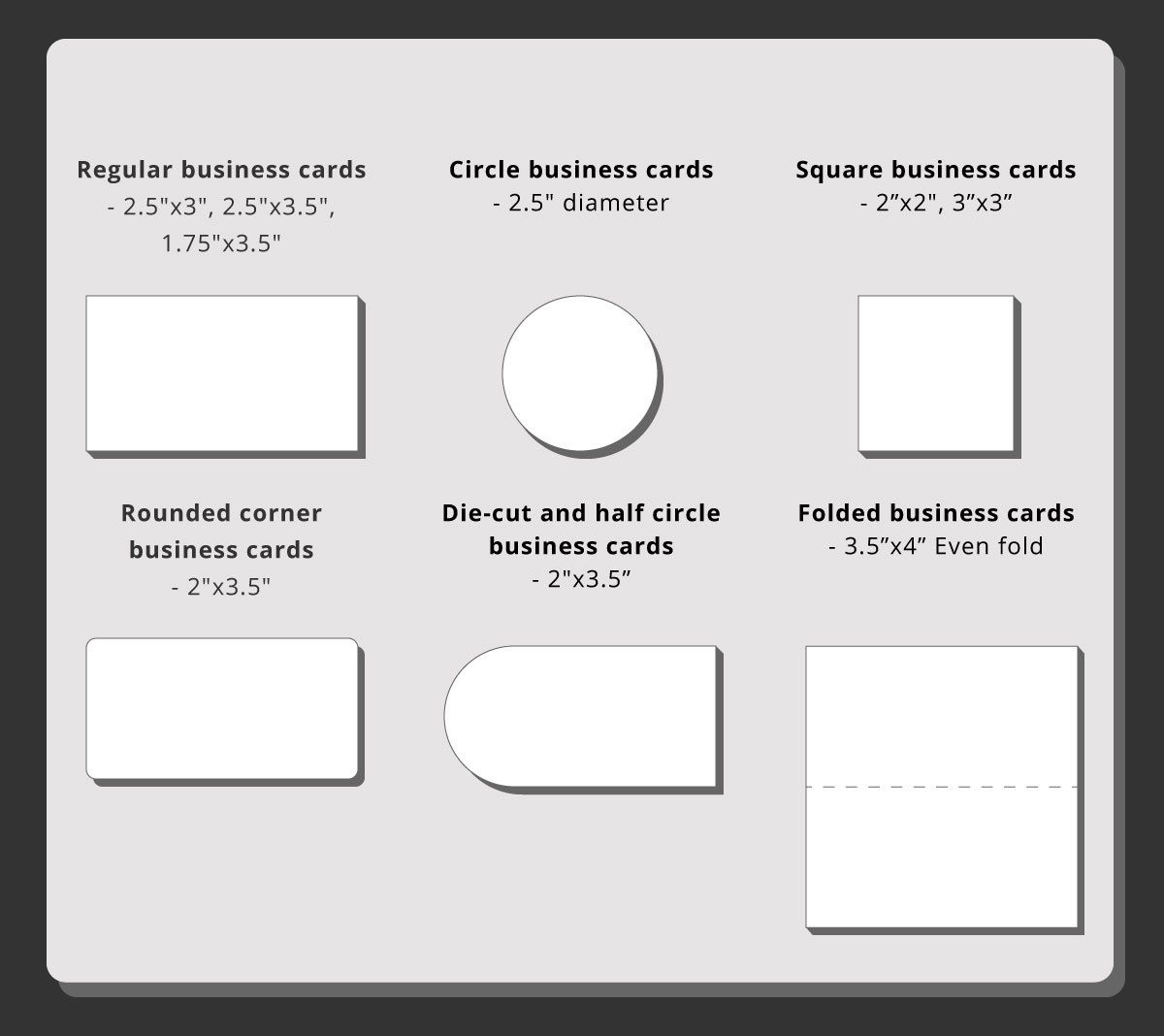
The size of a business card is a surprisingly complex topic. It's not simply about how much space you have to print information; it's about conveying a sense of professionalism, quality, and brand identity. A larger card generally suggests a more established and serious business, while a smaller card can feel more casual and approachable. The optimal size depends heavily on the industry, the type of business, and the overall brand aesthetic. Considerations include:
- Industry: Law firms often require larger cards to project authority, while startups might opt for smaller, more visually engaging designs.
- Business Type: A financial institution will likely need a larger card than a freelance graphic designer.
- Target Audience: A luxury brand will want a card that reflects its premium positioning, while a local bakery might benefit from a smaller, more friendly design.
- Printing Method: The printing process itself can influence the final size. High-quality printing is essential for a crisp, professional look, regardless of the card size.
Choosing the Right Business Card Size Template
There are several popular business card size templates available, each with its own strengths and weaknesses. Let's examine some of the most common options:

- Standard Size (8.5 x 5.5 inches): This is the most widely accepted standard and is suitable for most businesses. It offers a good balance between visibility and practicality. It's a safe and reliable choice for most industries.
- Half-Size (5 x 5 inches): Ideal for smaller businesses, startups, or those with a minimalist aesthetic. It's a more compact option, making it easy to carry and displaying.
- Queen Size (10.5 x 5.5 inches): Becoming increasingly popular, particularly in the digital age. It's a larger size, allowing for more information and a more substantial impression. However, it can be more difficult to print and may require more space for printing elements.
- Mini Size (5 x 5 inches): Designed for very small businesses or those with a very limited budget. It's a quick and easy option, but it may not convey the same level of professionalism as larger sizes.
Leveraging the "Business Card Size Template Psd" Keyword
The term "Business Card Size Template Psd" is frequently used because it directly relates to the core functionality of the template. It's a valuable keyword for businesses seeking to find suitable templates. Consider incorporating this keyword into your website content, blog posts, and social media updates to improve search engine visibility. Furthermore, using variations of the keyword – such as "business card template PSD" – can broaden your reach.
Key Features to Look for in a Business Card Template
Selecting the right template is just the first step. Here are some key features to consider:

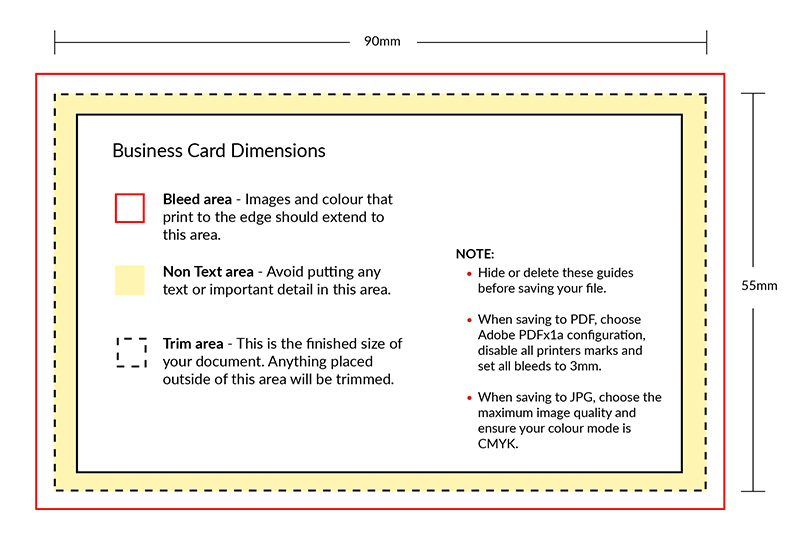
- File Format: Ensure the template is available in a high-resolution vector format (e.g., Adobe Illustrator, Photoshop) so it can be scaled without losing quality. A raster-based format (like JPEG) will result in pixelation when enlarged.
- Printability: Check for clear, well-defined lines and spacing. Avoid templates with overly complex designs that can be difficult to print.
- Color Options: Consider the color palette of the template. A professional template should offer a range of colors that complement your brand.
- Customization Options: Does the template allow for easy customization of text, logos, and colors? The ability to personalize the card is crucial for building brand recognition.
- Templates for Specific Industries: Many templates are specifically designed for different industries. For example, a law firm might benefit from a template with a sophisticated, dark color scheme, while a restaurant might prefer a warmer, more inviting design.
Beyond the Template: Design Considerations
While a great template is essential, the design itself is just as important. A poorly designed business card can detract from your brand and fail to convey your message effectively. Here are some design tips:
- Color Psychology: Colors evoke emotions and associations. Choose colors that align with your brand's personality and target audience.
- Typography: Select fonts that are legible and consistent with your brand's aesthetic. Limit the number of fonts used to maintain a clean and professional look.
- Whitespace: Don't overcrowd the card. Use whitespace to create visual breathing room and improve readability.
- Logo Placement: Strategically place your logo to ensure it's easily visible but doesn't overwhelm the design.
- Call to Action: Consider including a subtle call to action, such as your website address or social media handle.
Using the "Business Card Size Template Psd" Keyword in Marketing
The "Business Card Size Template Psd" keyword is a powerful tool for marketing. Here are some ways to incorporate it into your marketing efforts:
- Blog Posts: Write blog posts about the best business card sizes for different industries.
- Social Media: Share images of your business card templates on social media platforms.
- SEO Optimization: Use the keyword throughout your website content, including page titles, meta descriptions, and image alt text.
- Paid Advertising: Target your ads to businesses in your industry who are looking for business cards.
The Future of Business Card Design
The business card landscape is constantly evolving. We're seeing a shift towards more minimalist designs, interactive cards, and digital-first solutions. While traditional business cards will always hold a place in the market, it's important to stay informed about the latest trends and adapt your design accordingly. The use of QR codes and augmented reality (AR) is also gaining traction, offering a more engaging and interactive experience.
Conclusion
Creating a professional and effective business card is an investment in your brand's success. By understanding the various size options, choosing the right template, and paying attention to design considerations, you can ensure that your card effectively communicates your brand's message and leaves a lasting impression. Remember to leverage the "Business Card Size Template Psd" keyword strategically to reach a wider audience and drive business results. Investing in a well-designed business card is a fundamental step towards establishing a strong and recognizable brand presence. Ultimately, a thoughtfully crafted business card is more than just paper; it's a reflection of your professionalism and commitment to your clients.
0 Response to "Business Card Size Template Psd"
Posting Komentar