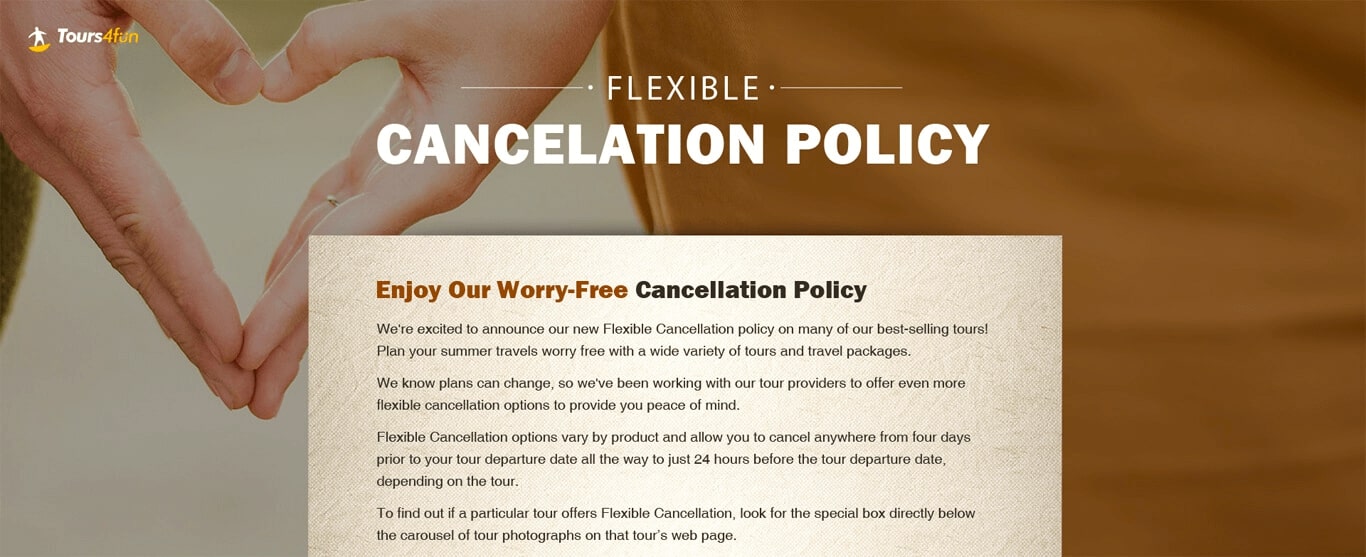
The ability to cancel a service or booking quickly and easily is incredibly valuable, especially in today's fast-paced world. Businesses and individuals alike rely on flexible policies to accommodate unexpected circumstances and maintain customer satisfaction. A well-defined 24-hour cancellation policy is a cornerstone of responsible business practices and a key element in building trust with your clientele. This comprehensive guide will explore the essential components of a robust 24-hour cancellation policy, offering practical advice and best practices for implementation. Understanding and adhering to a clear cancellation policy demonstrates professionalism and can significantly impact your brand's reputation. It's more than just a formality; it's a strategic tool for managing risk and protecting your business. Let's delve into the specifics of crafting and utilizing a 24-hour cancellation policy template.
Understanding the Importance of a 24-Hour Cancellation Policy
The rise of online bookings and flexible service offerings has created a demand for greater control over cancellations. Customers increasingly expect the ability to change their plans without penalty, and businesses that fail to offer this flexibility risk losing valuable business. A 24-hour cancellation policy isn't just about avoiding refunds; it's about demonstrating respect for your customers' time and providing a level of assurance. It's a proactive approach that minimizes potential disputes and fosters a positive customer experience. Furthermore, a clearly communicated policy can be a competitive advantage, setting you apart from competitors who may offer less flexible options. The cost of handling disputes related to cancellations can be substantial, so proactively addressing potential issues through a well-structured policy is a smart investment. Consider the potential impact on your revenue stream – a policy that allows for easy cancellations can often lead to increased customer loyalty.
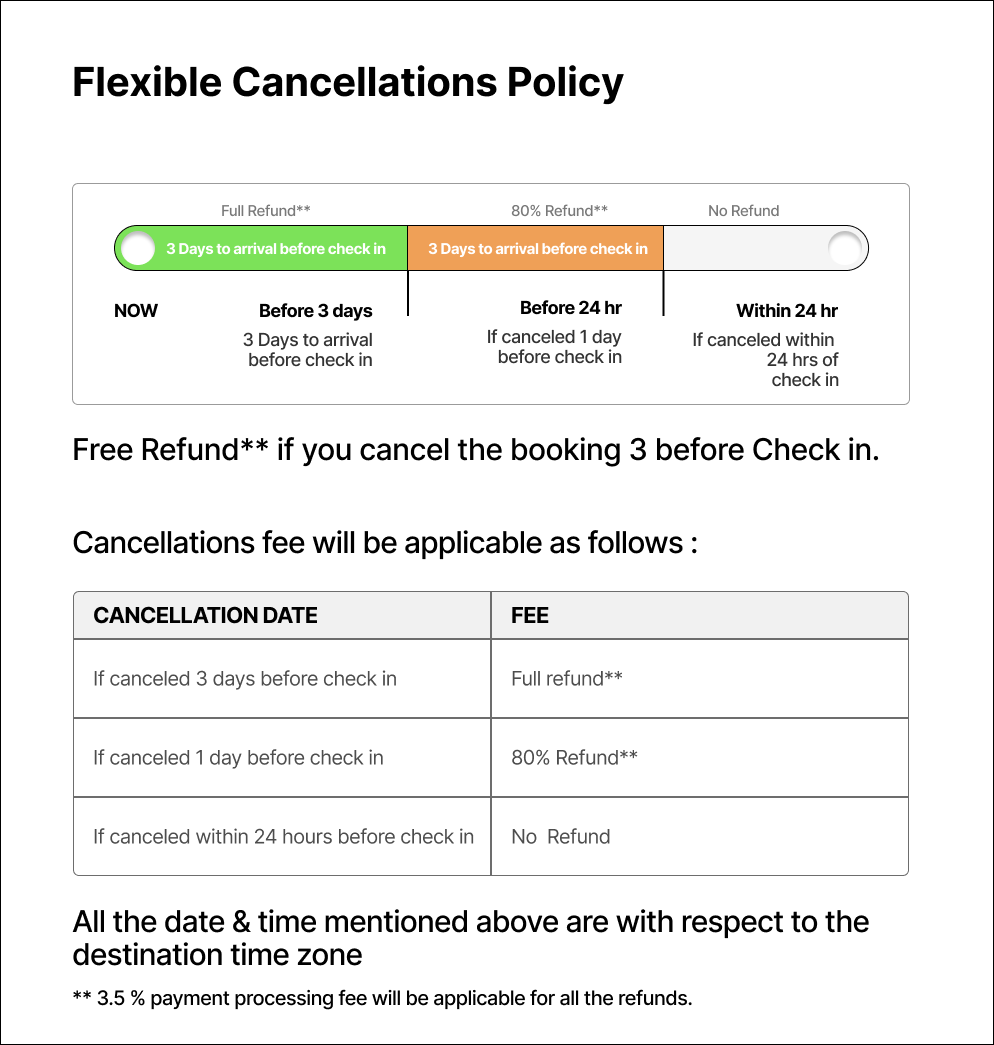
Key Components of a 24-Hour Cancellation Policy
A successful 24-hour cancellation policy should encompass several key elements. Firstly, it needs to clearly outline the conditions under which cancellations are permitted. This typically includes specifying the types of bookings that are eligible for cancellation (e.g., bookings made within 24 hours of the scheduled event). Secondly, the policy must detail the process for requesting a cancellation, including the required documentation (e.g., confirmation email, credit card details). Thirdly, it's crucial to establish a clear refund policy, outlining the amount and timeframe for refunds in the event of a cancellation. Finally, the policy should include contact information for customer service and a process for handling disputes. A template that covers these aspects provides a solid foundation for creating a policy that meets your specific business needs.

Section 1: Eligibility and Conditions for Cancellation
The core of any 24-hour cancellation policy lies in defining the circumstances under which cancellations are permitted. It's vital to be transparent about these conditions to avoid confusion and potential disputes. Generally, a 24-hour cancellation policy allows for cancellations made within 24 hours of the original booking date. However, some exceptions may apply, such as:
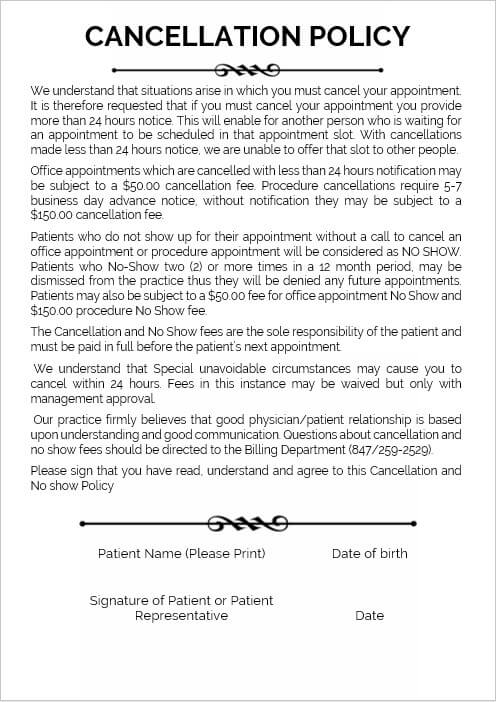
- Force Majeure: Events beyond your control, such as natural disasters, pandemics, or government regulations, may qualify for a temporary cancellation without penalty. A clause outlining force majeure is essential.
- Unforeseen Circumstances: Significant and unforeseen circumstances, such as illness or injury of the customer, may justify a cancellation. Documentation of these events is crucial.
- Business Disruptions: Events that significantly disrupt your business operations, such as equipment failures or staffing shortages, may allow for cancellation.
- Customer Request: In some cases, a customer may be able to cancel the booking if they request it in writing. This requires a clear process for handling such requests.
It's important to state clearly that these exceptions are subject to your discretion and may be subject to review by management.

Section 2: The Cancellation Process – How to Request a Refund
A streamlined and easy-to-understand cancellation process is critical for customer satisfaction. The policy should outline the steps customers should take to request a refund. This typically involves:

- Notification: Customers must notify you of their cancellation request via email or phone.
- Documentation: They should provide a clear explanation for their cancellation, including the reason for the request.
- Confirmation: You must acknowledge receipt of the cancellation request and provide a confirmation.
- Refund Processing: The refund should be processed within [Number] business days of receiving the cancellation request. Specify the method of refund (e.g., credit to the original payment method, refund to a separate account).
Provide clear instructions on how to submit a cancellation request, including contact information for customer service. Consider offering multiple channels for cancellation requests (e.g., email, phone, online form).

Section 3: Refund Policy – What to Expect
A clearly defined refund policy is a key element of a 24-hour cancellation policy. It should specify the amount of the refund, the timeframe for processing, and the conditions under which refunds may be denied. Here's a sample breakdown:
- Refund Amount: Refunds will be issued within [Number] business days of the cancellation request being processed. The amount of the refund will be [Percentage]% of the original booking amount, excluding taxes and fees.
- Processing Time: Refunds will be processed within [Number] business days of receiving the cancellation request.
- Denial of Refund: Refunds may be denied if the cancellation is due to a force majeure event, if the customer has not provided adequate documentation, or if the cancellation is made outside of the allowed timeframe.
- Exceptions: [Specify any exceptions to the refund policy, such as for last-minute cancellations or bookings made with a discount.]
Transparency and clarity are paramount in this section.
Section 4: Handling Disputes – A Process for Resolution
Disputes can arise regarding cancellations. A well-defined process for handling disputes is essential for maintaining customer trust and protecting your business. The policy should outline the steps to be taken in the event of a dispute, including:
- Initial Review: Your team will review the cancellation request and the customer's explanation.
- Communication: You will communicate with the customer to understand their concerns and attempt to resolve the issue amicably.
- Investigation: If the dispute cannot be resolved, you will investigate the matter thoroughly.
- Decision: You will make a final decision based on the evidence and the policy guidelines.
- Resolution: If a resolution is reached, you will provide a written explanation of the decision.
Document all communication and actions taken in the event of a dispute.
Section 5: Contact Information and Customer Service
Provide clear and accessible contact information for customer service. This should include:
- Phone Number: [Phone Number]
- Email Address: [Email Address]
- Online Form: [Link to Online Form]
- Social Media Links: [Links to your social media profiles]
Ensure that your customer service team is well-trained to handle cancellation requests and disputes effectively.
Conclusion
A well-crafted 24-hour cancellation policy is a critical component of responsible business practices and a key driver of customer loyalty. By clearly defining eligibility, outlining the cancellation process, and establishing a fair refund policy, you can minimize potential disputes and protect your business from financial losses. Remember that a proactive and transparent approach to cancellations demonstrates respect for your customers and builds trust. Continuously review and update your policy to reflect changing business needs and customer expectations. Investing in a robust cancellation policy is an investment in the long-term success of your business. By prioritizing clarity and customer satisfaction, you can navigate the complexities of cancellations with confidence and maintain a positive reputation.
0 Response to "24 Hour Cancellation Policy Template"
Posting Komentar